
ICICI Bank, one of India’s largest private sector lenders, is reportedly gearing up for its first benchmark US dollar bond sale since 2017. This isn’t just another fundraising exercise; it’s a significant move, aiming to raise at least $500 million from international markets. The real story behind this latest development, on July 03, 2026, is the crucial role played by the Reserve Bank of India (RBI) and its recent policy changes, which are making overseas borrowing much more attractive for Indian banks.
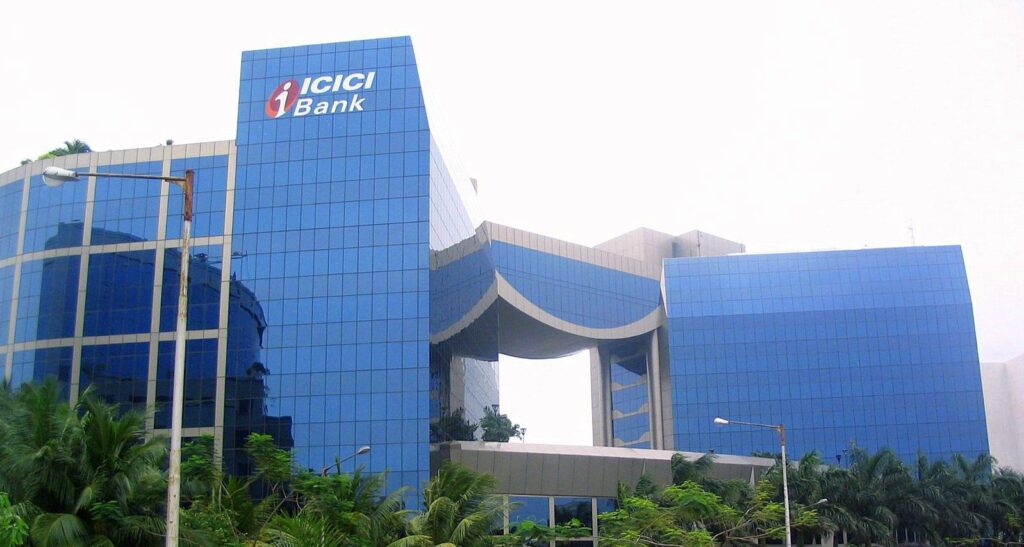
Quick Highlights: What Happened on July 03, 2026
- First Since 2017: ICICI Bank is planning its first benchmark US dollar bond sale in nearly nine years, targeting at least $500 million.
- RBI’s Role: This move is largely spurred by the RBI’s new concessional foreign exchange swap facility, which makes overseas borrowing more cost-effective for Indian lenders.
- Diversifying Funds: The bond sale will help ICICI Bank diversify its funding sources and tap into a broader pool of international investors.
- Rupee Support: The RBI’s facility is part of its broader efforts to attract global capital and help stabilize the Indian rupee.
- Sector Trend: Other Indian banks like HDFC Bank, Axis Bank, State Bank of India, and Power Finance Corp have also recently accessed international debt markets.
Key Market Data — July 03, 2026
| Metric | Value (as of July 02, 2026) | Change |
|---|---|---|
| ICICI Bank | Rs 1,400.00 | Up 1.47% |
| 52-Week High | Rs 1,500.00 | Reached on July 24, 2025 |
| 52-Week Low | Rs 1,187.60 | Reached on June 28, 2026 |
| Market Cap | Rs 10,04,306.20 Cr | As of July 02, 2026 |
| Volume | Data unavailable | Data unavailable |
Why It Happened: The Real Story Behind July 03, 2026’s Move
While the headline focuses on ICICI Bank’s fundraising, the deeper story is about how the RBI is actively shaping the environment for Indian banks to access global capital. This isn’t just about raising money; it’s about doing it smartly and efficiently.
1. RBI’s Concessional Swap Facility Makes it Attractive?
The Reserve Bank of India recently introduced a special foreign exchange swap facility. This makes it cheaper for Indian banks to borrow in dollars and then convert those dollars into rupees, while managing the currency risk. Previously, Indian banks sometimes paused dollar bond issuances because investors demanded higher yields, making it expensive. The RBI’s new facility effectively lowers the cost of borrowing for banks like ICICI, which explains why they are now keen to tap these markets.
2. Diversifying Funding and Supporting Growth?
For a large bank like ICICI Bank, raising funds through international bonds, especially benchmark-sized ones, helps diversify its funding sources beyond domestic deposits and loans. This access to a wider pool of global investors, under a Global Medium-Term Note (GMTN) program, allows the bank to fund its long-term growth plans, such as infrastructure or corporate lending. This is crucial for sustaining its expansion in a growing economy.
3. Strengthening the Rupee and Attracting Global Capital?
The RBI’s move isn’t just for the banks; it’s also a strategic effort to attract more foreign currency into India. When Indian banks borrow in dollars and swap them for rupees through the central bank, it increases the supply of foreign currency in the domestic market. This helps to stabilize the Indian rupee, which had seen some volatility earlier. The rupee has gained nearly 2% since hitting a record low against the dollar in late May.
The Broader Picture: What This Means for Indian Markets
ICICI Bank’s planned dollar bond sale signals a growing confidence among Indian lenders to tap international markets, thanks to the supportive regulatory environment created by the RBI. This trend is not isolated; other major Indian financial institutions have also recently raised funds overseas. For example, HDFC Bank garnered $750 million last month, and Axis Bank raised $800 million through a dual-tranche dollar bond sale.
This increased access to foreign capital can have several positive impacts on the broader Indian financial system. It provides banks with more liquidity, which can then be channeled into various sectors of the economy, supporting overall growth. Moreover, it enhances India’s standing in global financial markets, demonstrating the strength and stability of its banking sector.
What the Data Shows for Investors
The data indicates that Indian banks are actively leveraging the new RBI policies to strengthen their financial positions. ICICI Bank’s decision to issue a benchmark dollar bond, after a long gap, highlights the improved conditions for such borrowings. This suggests that the cost of foreign funding has become more manageable, which is a positive for the bank’s profitability and growth prospects.
While the specific terms of ICICI Bank’s bond sale are yet to be finalized, the move itself reflects a strategic approach to capital management. The bank’s stock closed at Rs 1,400.00 on July 02, 2026, showing a gain of 1.47%. This performance, combined with the bank’s strong market capitalization of over Rs 10 lakh crore, underscores its robust position in the Indian banking landscape.
Frequently Asked Questions
1. What is a “benchmark” dollar bond sale?
A “benchmark” dollar bond sale typically refers to a large issuance, often $500 million or more, that sets a standard or reference point for future bond issuances by similar entities. It attracts a wide range of international investors and helps establish the issuer’s credit in global markets.
2. Why is ICICI Bank doing this now, after so many years?
ICICI Bank is undertaking this bond sale now primarily due to the Reserve Bank of India’s new concessional foreign exchange swap facility. This policy makes it more attractive and cost-effective for Indian banks to borrow in US dollars, helping them manage currency risks and access global capital at better rates.
3. How does this help the Indian rupee?
When Indian banks borrow in dollars from international markets and then convert these dollars into rupees through the RBI’s swap facility, it increases the supply of US dollars in the Indian market. This increased supply helps to stabilize and potentially strengthen the Indian rupee against the dollar.
4. Are other Indian banks also raising funds overseas?
Yes, several other Indian financial institutions have recently tapped international markets. For example, HDFC Bank raised $750 million last month, and Axis Bank secured $800 million through a dollar bond issuance. This indicates a broader trend of Indian banks seeking foreign capital.
The Bottom Line
ICICI Bank’s planned dollar bond sale is more than just a financial transaction; it’s a clear indicator of how the RBI’s proactive policies are enabling Indian banks to access global funding efficiently. You now understand that this move helps ICICI Bank diversify its funding, supports its growth, and plays a part in strengthening the Indian rupee. This strategic step highlights the evolving landscape of India’s financial sector and its increasing integration with global capital markets.
Disclaimer: The views expressed are for informational purposes only and do not constitute financial advice. Investing in stocks and IPOs involves significant risk. forgeup.in is not liable for any financial losses. Always consult a certified investment advisor before making any decisions.