
Fundamental Analysis of Reliance Industries: Reliance Industries Ltd (RIL) is India’s largest private-sector conglomerate, with a massive footprint spanning Energy (O2C), Digital Services (Jio), Retail, and New Energy. As of May 5, 2026, RIL remains a cornerstone of the Indian economy and the Nifty 50, currently navigating a pivotal transition from a fossil-fuel-dependent giant to a technology and green energy powerhouse.
In the May 2026 market, Reliance is the subject of intense scrutiny as it approaches the widely anticipated Initial Public Offering (IPO) of Jio Platforms. Despite quarterly fluctuations in its legacy O2C business due to geopolitical energy shifts, the company’s consolidated annual performance remains robust, with FY26 revenue crossing the ₹10.75 lakh crore milestone.
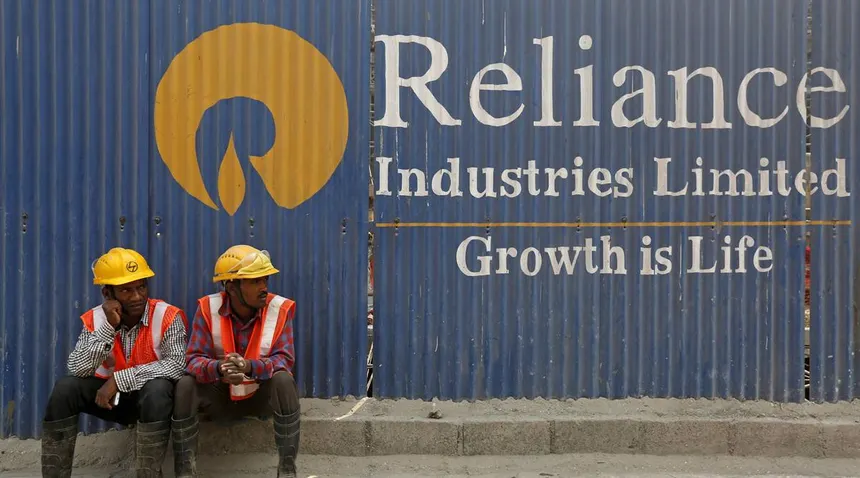
Fundamental Analysis of Reliance Industries: Jio IPO Catalyst, ₹75,000 Cr Green Bet & What SOTP Valuation Reveals in 2026
Business Segments: The Multi-Engine Growth Strategy
Reliance operates as a “house of brands,” where each subsidiary is a market leader in its own right.
A. Jio Platforms (Digital Services)
As of Q4 FY26, Jio has solidified its lead as India’s largest telecom operator with over 524 million subscribers.
- Monetization: ARPU (Average Revenue Per User) has climbed to ₹214, driven by 5G adoption and high-speed data demand.
- The IPO Catalyst: The Jio IPO, estimated at a valuation of $120–$180 billion, is expected to hit the market in mid-2026, serving as a massive value-unlocking event for RIL shareholders.
B. Reliance Retail
With over 20,160 stores across India, Reliance Retail is the undisputed leader in organized retail.
- Scale: In FY26, the retail segment reported revenue of ₹87,344 crore for the final quarter.
- Margin Evolution: While expansion costs have put slight pressure on margins (~7.9%), the focus is shifting toward “New Commerce” (JioMart) to leverage its physical store network for hyper-local delivery.
C. Oil-to-Chemicals (O2C) & Energy
The Jamnagar complex remains the world’s largest integrated refining hub. In May 2026, RIL has shown remarkable agility, reconfiguring its refinery output to address India’s LPG supply crisis by tripling production to offset import losses.
Fundamental Analysis of Reliance Industries: Financial Snapshot – FY26 Performance Decoded
The full-year results for FY26 (reported in late April 2026) reflect a resilient balance sheet amidst global commodity volatility.
| Metric | Value (FY26 / May 5, 2026) | Trend |
| Market Capitalization | ~₹19.80 Lakh Crore | Mega-Cap Leader |
| Consolidated Revenue | ₹10,75,675 Crore | ▲ 9.75% (YoY) |
| Annual Net Profit | ₹80,775 Crore | ▲ 16% (YoY) |
| EBITDA (Annual) | ₹1,78,950 Crore | 5-Year Peak |
| Debt-to-Equity | ~0.38x | Well-managed |
| Trailing P/E Ratio | ~22.5x | Attractive vs Peers |
The New Energy Pivot: Target 2026
Reliance is in the middle of a ₹75,000 crore investment cycle to build a green energy ecosystem in Jamnagar.
- Solar Manufacturing: The company is on track to reach 20 GWp of annual solar PV manufacturing capacity by late 2026.
- Battery Gigafactory: Construction of the 30 GWh advanced chemical battery plant is progressing, with initial cell manufacturing slated to commence by the end of 2026.
- Green Hydrogen: RIL aims to produce green hydrogen at under $1 per kg by the end of the decade, leveraging its massive internal captive demand.
Fundamental Analysis of Reliance Industries: Fundamental Moats and Strengths
- Consumer Ecosystem Integration: Reliance is the only Indian company that owns the “Digital Pipeline” (Jio) and the “Consumption Destination” (Retail), creating a unique data and commerce loop.
- Operational Agility: Its refining complexity allows it to process the cheapest heavy crudes and switch product mixes (like LPG during crises) faster than any global peer.
- Institutional Conviction: Delivery volumes on May 4, 2026, showed a 1.18% increase, indicating that long-term institutions are increasing their “Hold” conviction ahead of the Jio listing.
Risks and Headwinds: The 2026 Bear Case
- Holding Company Discount: Following the Jio IPO, RIL may face a “holding company discount” as investors gain the option to buy the telecom business directly rather than through the parent conglomerate.
- Margin Compression in Retail: Rising operating costs and intense competition from quick-commerce startups (Zepto/Blinkit) are challenging Retail’s 8% margin floor.
- Geopolitical Energy Risk: As an export-oriented refiner, RIL remains sensitive to shipping disruptions and insurance hikes in the Middle East, as seen during the early 2026 logistics crisis.
Also read about TVS Motor vs Hero MotoCorp
Frequently Asked Questions(FAQ)
Is Reliance Industries a “Buy” before the Jio IPO?
Most analysts in May 2026 maintain a “Buy” or “Accumulate” rating. The Jio IPO (valued at ~$180B) is expected to act as a significant re-rating trigger for the parent company’s stock.
What is the latest update on RIL’s debt?
As of March 2026, RIL’s net debt remains well-controlled at ~0.38x equity. The company continues to generate sufficient operating cash flow (₹1.79 Lakh Cr EBITDA) to fund its New Energy capex without significant external borrowing.
How does the green energy business contribute to profits?
Currently, the New Energy segment is in the investment phase (Capex). Analysts expect meaningful EBITDA contribution to start from FY27-28 once the solar and battery plants reach full utilization.
Conclusion
Fundamentally, Reliance Industries is no longer a “cyclical” energy stock; it is a diversified growth vehicle. While the O2C segment provides the cash flow, Jio and Retail provide the growth. The current P/E of 22x is significantly lower than the individual valuations of its digital and retail peers, suggesting that the “sum-of-the-parts” (SOTP) valuation still has room for upside as the IPO timelines are finalized.
Disclaimer: The views expressed are for informational purposes only and do not constitute financial advice. Investing in stocks and IPOs involves significant risk.
forgeup.in is not liable for any financial losses. Always consult a certified investment advisor before making any decisions.