
Domestic Cyclicals India 2026: While global markets remain heavily concentrated in the Artificial Intelligence (AI) trade, driven by a few mega-cap technology stocks, seasoned market expert Rajeev Agrawal of DoorDarshi India Fund is advocating a strong preference for domestic cyclical sectors in India. Agrawal’s stance, articulated today, highlights a strategic divergence, arguing that India’s structural growth drivers offer compelling opportunities away from the global AI frenzy.
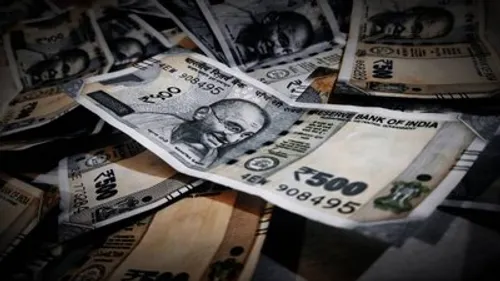
Rajeev Agrawal Bets on Domestic Cyclicals May 6, 2026 – Why India’s Own Growth Story Beats the Global AI Trade
Quick Highlights: The Latest Big Numbers
- Nifty 50 Today’s Movement: Opened up 0.58% at 24,171.00, later eased to 24,140.30, up 0.45%.
- FII Cash Segment Activity (May 05, 2026): Net sellers of ₹3,621.58 crore.
- DII Cash Segment Activity (May 05, 2026): Net buyers of ₹2,602.62 crore.
- S&P 500 AI Concentration: Top 10 companies account for nearly 40% of the index’s total market capitalization.
- Crude Oil Prices: Brent crude futures for July fell 1.38% to $108.35 per barrel today.
Key Market Data (Live: May 06, 2026)
| Metric | Latest Value | Trend |
|---|---|---|
| Nifty 50 Index | 24,140.30 | ▲ 0.45% |
| 52W High (Nifty 50) | 26,373.20 | (NSE Data) |
| 52W Low (Nifty 50) | 22,182.55 | (NSE Data) |
| Sensex Index | 77,288.07 | ▲ 0.35% |
| Market Cap (BSE) | ₹466.94 lakh Cr | (Approx. $5.5 Tn) |
| Nifty PE Ratio | 20.95 | (May 05, 2026) |
Why It Happened: The Big May 06, 2026 Triggers
For Indian retail investors, understanding why a fund manager like Rajeev Agrawal looks inwards while the world gazes at AI is critical. It underscores the unique dynamics at play in India’s market today.
1. Global Markets Overwhelmed by AI Concentration?
The global equity landscape is undeniably skewed towards the Artificial Intelligence narrative. The S&P 500 index, for instance, has seen its top 10 constituents swell to nearly 40% of its total market capitalization, a concentration largely fueled by massive capital allocation into mega-cap equities with significant AI exposure. This AI-led investment cycle, while a powerful global tailwind, primarily benefits economies deeply embedded in semiconductor and advanced technology supply chains, such as South Korea.
2. India’s Limited Direct AI Exposure Drives Divergence?
Rajeev Agrawal observes that India hasn’t participated meaningfully in this global AI wave due to its lack of a strong presence in the core semiconductor ecosystem. This structural divergence is a key reason why global investors, focusing on the AI theme, haven’t favored India as much in the current cycle. Instead, Agrawal sees India’s strength in its domestic growth story, driven by factors less tied to the global tech buildout.
3. Resilient Domestic Demand and Cyclical Recovery?
Against this global backdrop, Agrawal’s preference for domestic cyclicals stems from India’s robust internal consumption and ongoing economic recovery. Sectors like banking, financial services, automobiles, and capital goods are poised to outperform, benefiting from improving credit momentum, government infrastructure push, and potential rate cuts. The resilience of domestic institutional investors (DIIs), who were net buyers of ₹2,602.62 crore in the cash segment on May 05, 2026, also provides a strong counter-balance to FII outflows, reinforcing the domestic growth theme.
Market Context: What the Broader Trend Says
The Indian market today, with the Nifty 50 gaining 0.45% to 24,140.30, demonstrates a nuanced resilience. While FIIs continue to be net sellers (₹-3,621.58 crore on May 05, 2026), DIIs are stepping in, consistently absorbing the selling pressure. This robust domestic liquidity, driven by steady SIP inflows, is fundamentally altering the market’s dependence on foreign capital. Isn’t this a sign of a maturing market?
Broader markets, specifically the Nifty Midcap 100 and Nifty Smallcap 100, have shown stronger performance today, gaining over 1% each, indicating a broadening of the rally beyond large-caps. This aligns with the view that a cyclical recovery is unfolding, where earnings delivery and macro stability will be primary drivers. Sectors like IT, Auto, Metals, and PSU Banks were leading the gains today, with only FMCG trading under pressure. The Nifty’s current PE ratio of 20.95 (as of May 05, 2026) suggests it’s fairly valued, offering a more comfortable entry point for quality names, a view shared by some analysts.
Also read about Fundamental Analysis of United Spirits
What It Means for Investors
For you, the Indian retail investor, Rajeev Agrawal’s focus on domestic cyclicals offers a clear strategic direction. While the allure of global AI leaders is strong, India’s unique growth story, less tethered to the global tech cycle, presents distinct opportunities. Should your portfolio strategy mirror this domestic pivot?
Consider sectors that benefit directly from India’s internal consumption, infrastructure build-out, and financial deepening. Banking, auto, and capital goods stocks, often classified as cyclicals, could see sustained tailwinds. Keep an eye on quarterly earnings from companies like Bajaj Auto, Polycab India, and Shree Cement, which are reporting today, as strong results can provide stock-specific momentum. With easing crude oil prices, which fell today due to hopes of a US-Iran peace deal, inflation concerns might abate, further bolstering domestic economic activity. This environment could favor companies that thrive on local demand and government spending.
Frequently Asked Questions
1. Why is Rajeev Agrawal preferring domestic cyclicals over global AI stocks today?
Rajeev Agrawal believes India lacks significant direct exposure to the global AI-led semiconductor ecosystem, which is driving global markets. He prefers domestic cyclicals, citing India’s strong internal growth drivers, robust domestic demand, and ongoing economic reforms that benefit sectors like banking, auto, and infrastructure.
2. What are “domestic cyclicals” and which sectors are included?
Domestic cyclicals are stocks whose performance is closely tied to the broader economic cycle within India. As the Indian economy expands, demand for products and services from these sectors typically increases. Key sectors include banking and financial services, automobiles, capital goods, infrastructure, and certain manufacturing industries.
3. How concentrated are global markets in the AI trade?
Global markets, particularly the US S&P 500, show significant concentration in the AI trade, with the top 10 companies accounting for nearly 40% of the index’s total market capitalization. This reflects massive capital flows into mega-cap equities with substantial AI exposure.
4. What are the risks of focusing solely on domestic cyclicals?
While domestic cyclicals offer opportunities, they are sensitive to India’s economic performance. A slowdown in domestic consumption, unexpected policy changes, or prolonged inflation could impact their earnings. Investors should also consider sector-specific risks and maintain a diversified portfolio.
Conclusion: The Big Picture
Today’s market dynamics underscore a critical strategic choice for investors: to chase the globally concentrated AI trade or to tap into India’s formidable domestic growth story. Rajeev Agrawal’s clear preference for domestic cyclicals reflects a deep conviction in India’s internal strengths, offering a compelling alternative to the often-volatile, globally-driven tech narrative. As India continues its journey of economic expansion and structural reforms, perhaps the smart money understands that sometimes, the best opportunities are found right at home.
Disclaimer: The views expressed are for informational purposes only and do not constitute financial advice. Investing in stocks and IPOs involves significant risk.
forgeup.in is not liable for any financial losses. Always consult a certified investment advisor before making any decisions.