
While most reports have focused on the headline numbers, the real story is the pressure AI is putting on Wipro’s margins. Clients are pausing traditional IT spending to invest in their own AI capabilities, while also demanding more AI integration from Wipro itself. This double-edged sword is the biggest challenge the company faces right now.
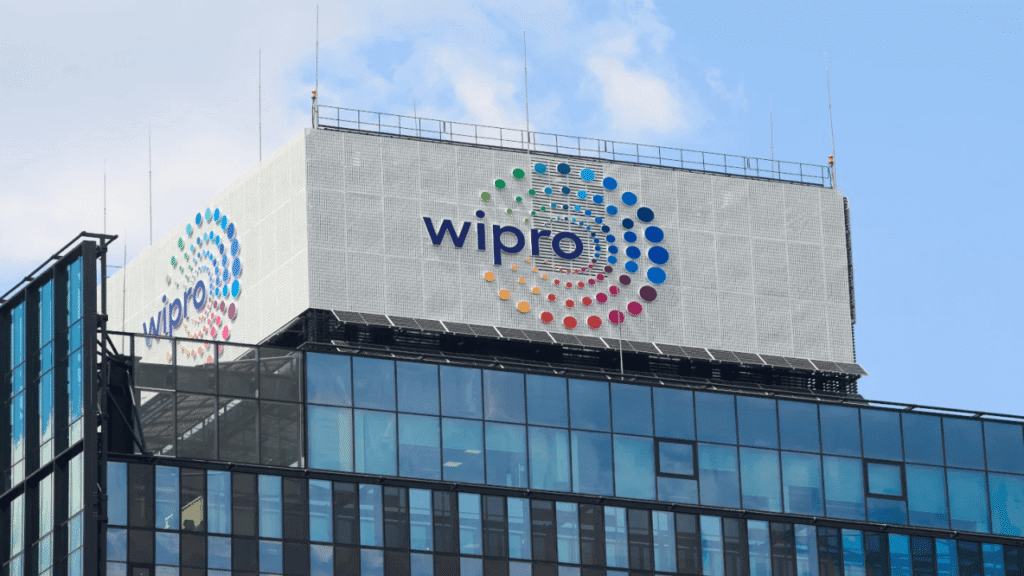
Quick Highlights: What to Expect on July 15, 2026
- Muted Revenue Growth: Brokerages expect a weak first quarter, with some projecting a sequential revenue decline in constant currency terms.
- Margin Squeeze: Profits are expected to be under pressure due to wage hikes and significant, ongoing investments in AI platforms.
- Weak Guidance Likely: Analysts anticipate a cautious outlook for the second quarter, reflecting ongoing uncertainty in client spending.
- AI’s Double Impact: Clients are both cutting traditional IT service demand to fund their own AI projects and demanding more AI-led services, creating a complex pricing environment.
- Interim Dividend Possible: Wipro’s board will also consider declaring an interim dividend for the financial year 2026-27.
Key Market Data — July 15, 2026
| Metric | Value (as of July 14, 2026) | Change |
|---|---|---|
| Wipro Ltd. (NSE: WIPRO) | Rs 177.14 | Up 1.57% |
| 52-Week High | Rs 273.10 | [context] |
| 52-Week Low | Rs 169.00 | [context] |
| Market Cap | Rs 1,76,709 Cr | [context] |
| Volume | 1,62,49,590 shares | [context] |
Why It Happened: The Real Story Behind the AI Pressure
Most headlines will focus on a simple revenue number, but the challenge for Wipro is more complex. The company is navigating a major shift in what clients are willing to pay for, largely driven by the rapid adoption of AI.
1. Clients are Shifting Their Budgets?
Global companies are redirecting their technology spending. Instead of large, multi-year traditional IT projects, they are funding their own in-house AI experiments. This directly impacts the pipeline for companies like Wipro. In its own annual report, Wipro acknowledged that the growing use of AI-driven automation by clients could reduce demand for certain traditional services.
2. Margin Pressure from AI Investments?
Wipro has committed to investing $1 billion over three years to advance its AI capabilities. While essential for the future, these heavy investments squeeze profits in the short term. This, combined with the full-quarter impact of recent wage hikes, is expected to be a primary reason for a potential decline in margins this quarter, according to analysts.
3. A Shift to Outcome-Based Deals?
The rise of AI is accelerating a move away from billing based on the number of people working on a project. Clients now want fixed-price, outcome-based contracts where they pay for results, not hours. According to S&P Global, about 54% of Wipro’s revenue in fiscal 2026 already came from such fixed-price contracts, and this trend could further affect profitability as AI investment costs rise.
The Broader Picture: What This Means for Indian Markets
Wipro’s situation is not unique; it’s a preview of a challenge facing the entire Indian IT services industry. For years, the sector’s growth was built on a model of labour arbitrage. AI directly threatens this model by automating entry-level coding and testing work.
The results from global tech giant IBM are often seen as an early indicator for Indian IT, and its recent weaker-than-expected outlook has already raised concerns about a slowdown in enterprise tech spending. This macroeconomic headwind, combined with the industry-specific AI disruption, creates a difficult environment.
However, the shift also presents an opportunity. Wipro’s CEO, Srini Pallia, has stated that as enterprise AI spending moves from experimentation to a focus on returns, the demand for IT services to manage this transition will grow. The key question is how quickly Indian IT firms can pivot their workforce and pricing models to capture this new “knowledge and intelligence arbitrage.”
What the Data Shows for Investors
The data leading up to today’s announcement paints a picture of a stock under pressure. Wipro’s share price has fallen over 35% so far this year. It is currently trading closer to its 52-week low of Rs 169.00 than its high of Rs 273.10.
Brokerage estimates reflect this cautious sentiment, with many projecting a year-on-year decline in net profit for the first quarter. The key metric investors will be watching is the company’s guidance for the September quarter. A muted forecast, which many analysts expect, could signal that the AI-related headwinds will persist for some time.
This pattern suggests that the market is waiting for clear evidence that Wipro can successfully navigate the transition from its traditional business model to one that thrives on AI-driven services.
Frequently Asked Questions
1. What are the profit and revenue expectations for Wipro in Q1?
Brokerages estimate a challenging first quarter. Net profit is projected to see a sequential decline of 3.1% to 9% and a year-on-year drop of 1.4% to 4%. Revenue is expected to be muted, with some analysts forecasting a sequential decline of around 1.3% in constant currency terms for the core IT services business.
2. How is AI actually affecting Wipro’s business?
AI is having a dual effect. Firstly, it’s reducing demand for some traditional, lower-skilled IT work as clients automate tasks. A Wipro executive has estimated that 15-20% of entry-level revenue is at risk. Secondly, it’s creating new demand for higher-skilled consulting and integration services, but this requires heavy investment and a shift in business strategy.
3. What are the biggest risks for Wipro right now?
The biggest risks are a failure to adapt quickly to AI, continued weak client spending due to global economic uncertainty, and margin pressure from high investment costs and wage hikes. The company itself has flagged that flawed AI algorithms or an inability to scale AI solutions could hurt its financial performance.
4. Will Wipro announce a dividend?
The company’s board is scheduled to consider an interim dividend for the 2026-27 financial year during its meeting on July 16. The amount has not been disclosed.
The Bottom Line
Today’s Q1 results are more than just a set of numbers for Wipro; they are a report card on its adaptation to the age of AI. The data shows clear pressure on revenue and margins as the entire IT industry grapples with a fundamental shift in client demand. What you now understand is that the real story isn’t just about a single quarter’s performance, but about whether Wipro can successfully pivot from a people-led to an AI-powered business model for the long term.
Disclaimer: The views expressed are for informational purposes only and do not constitute financial advice. Investing in stocks and IPOs involves significant risk. forgeup.in is not liable for any financial losses. Always consult a certified investment advisor before making any decisions.