
The Indian Fast-Moving Consumer Goods (FMCG) sector has reclaimed its status as the “Safe Haven” of Dalal Street. While the Nifty 50 sits at 23,775 amidst global geopolitical friction and $97 Brent Crude, the FMCG index is radiating a “Resilient Vibe.” In a $5.5 trillion economy, the story is no longer just about volume—it is about “Premiumization” and “Rural Recovery.”
For the investors, the 2026 FMCG narrative is defined by the “Direct-to-Consumer” (D2C) pivot and the rise of “Wellness-First” brands. As the Rupee trades at 92.71, companies with localized supply chains and strong pricing power are protecting margins better than the broader market.
FMCG Stocks In India 2026: HUL, ITC & Varun Beverages as Defensive Alpha Picks
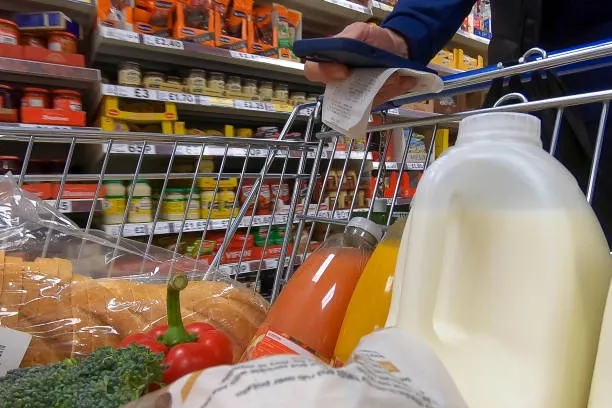
The 2026 FMCG Leaderboard: The Power of Brands
The market is currently rewarding “Hybrid Giants”—legacy companies that have successfully integrated agile D2C strategies.
1. Hindustan Unilever (HUL)
The undisputed “Bellwether.” HUL’s 2026 performance is driven by its “Beauty & Personal Care” demerger rumors and its dominance in the premium detergents segment.
- The “Vibe” Shift: HUL has utilized Agentic AI to optimize its “Shikhar” B2B app, allowing it to predict kirana store demand with 98% accuracy.
- Intrinsic Value: With a Return on Equity (ROE) of over 25%, HUL remains the “Defensive Anchor” for any 2026 portfolio.
2. ITC Limited
ITC is the “Conglomerate King” of 2026. After the successful demerger of its Hotel business, the focus is purely on FMCG and Agri-business.
- The Growth Moat: Its “Hidden Gem” is the Aashirvaad and Sunfeast ecosystem. As wheat prices stabilize in early 2026, ITC’s margins in the staples segment are hitting record highs.
- The Dividend Vibe: For investors seeking safety during the 931-point Sensex dip, ITC’s steady payout makes it a preferred “Cash Cow.”
3. Varun Beverages (VBL)
The “Growth Compounder.” VBL has expanded its “PepsiCo Vibe” into South Africa and several European territories in 2026.
- The Momentum: Its aggressive expansion into the Energy Drink (Sting) and Dairy segments has led to a 3-year CAGR that outpaces the broader FMCG index.
Why is “Premiumization” the 2026 Profit Driver?
A “Deep-Dive” for the forgeup.in community: Indian consumers are no longer just looking for the “cheapest” option; they are looking for the “best” vibe.
- The Digital Native Factor: Gen-Z and Millennial consumers in the $5.5T economy are driving a 35% YoY growth in the “Organic and Natural” segments.
- The Margin Delta: Premium products (like luxury soaps or specialized health drinks) offer 2x the margins of mass-market sachets. This is why companies like Godrej Consumer (GCPL) are pivoting toward “Gains over Volumes.”
Sector Spotlight: April 2026 Performance Matrix
| Company | Core Moat | Market Sentiment | ROE (%) |
| Hindustan Unilever | Distribution Scale | Core Buy | 25.4% |
| ITC Ltd | Diversified Staples | Value Buy | 29.2% |
| Varun Beverages | Global Bottling Scale | Growth Pick | 22.8% |
| Tata Consumer | Wellness & Tata Brand | Bullish | 18.5% |
| Nestle India | Premium Nutrition | Defensive Hold | 108.0% |
How is “Agentic AI” Managing the Kirana Vibe?
In 2026, the battle for “Shelf Space” is won through data, not just distributors.
- Inventory Intelligence: FMCG giants are using Agentic AI to “vibe check” local consumption patterns. An AI agent might prompt: “Analyze the heatwave vibe in North India; surge supply of liquid glucose and cold beverages to the Delhi-NCR cluster 48 hours before the temperature spike.”
- The Result: This “Just-in-Time” distribution has reduced supply chain wastage by 12%, directly increasing the Book Value of tech-forward firms like Tata Consumer Products.
The “Rural Recovery” Vibe in 2026
By April 2026, the “Rural-Urban” growth gap has finally closed.
- Direct Benefit Transfers: Increased government spending in the 2026 budget has boosted rural disposable income.
- The Beneficiaries: Companies with deep rural penetration, like Dabur and Marico, are seeing “Volume Growth” return to the double digits for the first time in three years.
5-Point Checklist for the FMCG Investor in April 2026
- Pricing Power: Can the company hike prices to offset the 92.71 Rupee inflation without losing market share? (e.g., Nestle’s Maggi).
- D2C Integration: Does the company have a direct relationship with the consumer? Favor firms that own their “Digital Stores.”
- Raw Material Hedging: Check for exposure to Palm Oil and Crude derivatives. $97 oil impacts packaging and logistics costs.
- Rural vs. Urban Mix: A balanced portfolio should favor companies with a 50/50 split to capitalize on the 2026 rural bounce-back.
- ESG Traceability: In 2026, plastic-neutral certification is mandatory for “Alpha” status. Only invest in firms with clear “Green Vibes.”
Related: Best Sugar Sector Stocks in India 2026
Final Thoughts: The Wealth Fortress
The Indian FMCG sector in 2026 is the ultimate “Wealth Fortress.” While the $97 oil spike and geopolitical noise create short-term volatility, the fundamental demand from 1.4 billion people is “Unshakeable.”
For the community, the strategy is clear: own the “Daily Habits.” Whether it’s the tea from Tata, the flour from ITC, or the soap from HUL, these companies are the silent partners of the $5.5 trillion dream.
FAQ on FMCG Stocks In India
1. Why is HUL trading at a 60+ P/E in 2026?
The market is paying a premium for “Earnings Certainty.” In a volatile $5.5T economy, HUL’s ability to generate cash regardless of interest rates or war headlines justifies its “Valuation Vibe.”
2. How does the 92.71 Rupee rate affect FMCG stocks?
It makes imported raw materials like palm oil and specialty chemicals more expensive. However, because the top players have “Localization Moats,” they are better insulated than smaller, unorganized competitors.
3. Is Varun Beverages a “Tech Stock” in disguise?
Many analysts in 2026 view VBL as a “Logistics and Data Tech” firm because of its ultra-efficient, AI-led distribution network. It represents the “Growth Vibe” of the new-age FMCG sector.
4. What is the impact of the PropShare REIT on FMCG?
As REITs like PropShare expand modern retail formats and high-end malls, premium FMCG brands (Nestle, Tata) get better “Physical Visibility” and “Footfall Conversion,” boosting their high-margin sales.
Disclaimer: The views expressed are for informational purposes only and do not constitute financial advice. Investing in stocks and IPOs involves significant risk.
forgeup.in is not liable for any financial losses. Always consult a certified investment advisor before making any decisions.