
Fundamental Analysis of Grasim Industries: Grasim Industries Ltd, the flagship company of the Aditya Birla Group, has evolved from a textile manufacturer into a global diversified powerhouse. As of May 4, 2026, the company stands at a critical juncture, having successfully transitioned from its legacy industrial roots in Viscose Staple Fibre (VSF) and Chemicals into a consumer-facing giant through its aggressive foray into the decorative paints market under the Birla Opus brand.
In the current market landscape, Grasim is no longer viewed merely as a holding company for UltraTech Cement and Aditya Birla Capital. Instead, it is being rerated by the street as a B2C growth engine. Despite the global volatility triggered by the US reciprocal tariffs in April 2026, Grasim’s diversified cash flows and the rapid scale-up of its paints business have provided a unique valuation cushion.
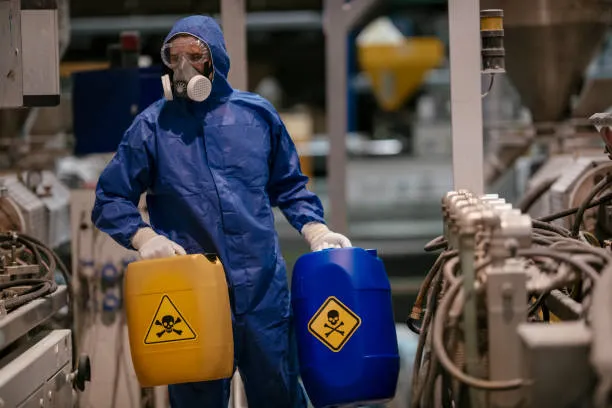
Fundamental Analysis of Grasim Industries 2026: The Paints War, UltraTech Discount & the B2C Pivot That’s Rewriting the Valuation Story
Fundamental Analysis of Grasim Industries: Business Segments: The “Industrial-to-Consumer” Pivot
Grasim’s business model in 2026 is built on three massive standalone pillars and its significant holdings in group subsidiaries.
A. Decorative Paints (Birla Opus)
- Capacity: By May 2026, Grasim has operationalized all six of its greenfield plants with a total capacity of 1,332 million litres per annum (MLPA).
- Market Share Strategy: Leveraging the Group’s existing 100,000+ dealer network from UltraTech Cement, Birla Opus has targeted a double-digit market share in India’s ₹80,000 crore paint market within its first two years of full operation.
- Financial Impact: While initially an EBITDA drag due to marketing and distribution ramp-up costs (₹10,000 crore capex), the segment is on a clear roadmap for breakeven by late FY27.
B. Viscose Staple Fibre (VSF) & Textiles
- Global Leadership: Grasim remains the world’s largest producer of VSF. In 2026, the segment has benefited from the recovery in global apparel demand and stable wood pulp prices.
- Sustainability Edge: Branded sustainable lines like Livaeco have gained significant traction with global fashion brands following the implementation of stricter EU sustainability rules in early 2026.
C. Chemicals (Chlor-Alkali & Specialty)
- Capacity: India’s largest Chlor-Alkali producer with capacity scaling toward 1.5 million tonnes per annum (MTPA).
- Pivot to Specialty: To offset the cyclicality of caustic soda prices, Grasim has aggressively expanded into high-margin epoxy resins and water treatment solutions, which now contribute a higher percentage to the standalone EBITDA.
Financial Performance: Q4 FY26 Estimates & Snapshot
As of early May 2026, the market is awaiting the official Q4 FY26 results (scheduled for later this month). However, based on the record-breaking TTM performance, the fundamentals are robust.
| Financial Metric | Value (As of May 4, 2026) | Trend |
| Current Market Price (CMP) | ₹2,794.50 | Near 52-Week High |
| Market Capitalization | ~₹1,90,059 Crore | Large-Cap |
| Trailing P/E Ratio | 42.2x | Premium vs Peers |
| Revenue (TTM) | ₹1,68,597 Crore | ▲ 14% (YoY) |
| Net Profit (TTM) | ₹9,230 Crore | Improving Margins |
| Debt-to-Equity Ratio | 2.06 (Consolidated) | Manageable |
Q4 FY26 Expectations:
Analysts estimate standalone revenue for Q4 to hit a historic peak of ₹11,000 Crore+, driven by the seasonal surge in the paints business and the stability in caustic soda realizations.
Fundamental Analysis of Grasim Industries: Fundamental Strengths: The Grasim “Synergy”
1. The UltraTech Advantage
Grasim owns ~57% of UltraTech Cement, the global cement giant. This holding alone provides a massive valuation floor. The synergy lies in the shared distribution network; every UltraTech dealer is a potential Birla Opus paint distributor, giving Grasim an “entry moat” that new entrants usually take decades to build.
2. Deleveraging and Capital Raising
In early 2026, Grasim successfully completed its ₹4,000 crore rights issue. This capital infusion has been strategically utilized to fund the final phase of the paints ramp-up and to reduce project-level debt, keeping the standalone balance sheet lean.
3. Digital B2B Scale-up (Birla Pivot)
The company’s B2B e-commerce platform, Birla Pivot, has crossed an annualized revenue run-rate of ₹8,500 Crore in May 2026. By digitizing the fragmented building materials supply chain, Grasim is capturing data and margins from Tier-2 and Tier-3 cities that were previously unorganized.
Key Growth Triggers for FY27
A. Paints Breakeven
The primary trigger for a further rerating in FY27 will be the narrowing of EBITDA losses in the paints segment. As utilization rates at the new plants cross the 40-50% mark, the operating leverage will start to kick in.
B. Chemical Cycle Recovery
With caustic soda international spot prices recovering from their 2-year lows seen in early 2025, the chemical segment is expected to provide strong standalone cash flows in FY27 to support the group’s capex.
Fundamental Analysis of Grasim Industries: Risk Factors and Bear Case
- Paints Competition: Incumbents like Asian Paints and Berger have deep pockets and have reacted to Birla Opus’s entry with aggressive schemes and loyalty programs, which could prolong Grasim’s gestation period for profitability.
- Raw Material Exposure: Chemicals margins are sensitive to energy costs and rock salt prices. Any sudden spike in natural gas prices could compress EBITDA in the Chlor-Alkali business.
- Holding Company Discount: Despite the operational turnaround, Grasim often trades at a “holding company discount” (30-40%) to the market value of its stakes in UltraTech and AB Capital.
Also read about TVS Motor vs Hero MotoCorp
Shareholding Pattern (March 2026)
- Promoters (Aditya Birla Group): 43.74% (Committed and increasing).
- FIIs (Foreign Institutions): 17.18% (Maintaining “Overweight” on the paints pivot).
- DIIs (Mutual Funds/Insurance): 16.28% (Consistently buying on dips).
- Public/Retail: 22.80%.
Frequently Asked Questions(FAQ)
Is Grasim a better buy than Asian Paints in 2026?
Asian Paints remains the “Defensive King,” but Grasim offers higher “Growth Upside” because it is a new entrant scaling from zero to a potential Number 2 player. Investors seeking aggressive growth often prefer Grasim, while those seeking safety prefer Asian Paints.
What is the major trigger for Grasim in the next 3 months?
The Q4 FY26 Earnings call later this month is the key trigger. Investors will look for specific data on Birla Opus market share and the management’s guidance on when the paints segment will hit EBITDA breakeven.
Does Grasim have high debt due to the paints business?
The standalone debt is well-managed following the ₹4,000 crore rights issue. While consolidated debt-to-equity is 2.06, this is largely due to the capital-intensive nature of its subsidiaries like UltraTech and AB Capital, which have their own robust cash flows.
Conclusion: The May 2026 Verdict
Grasim Industries has successfully executed one of the most complex corporate pivots in recent Indian history. It has transitioned from a cyclical industrial company to a Consumer-Growth conglomerate. While the stock trades at a premium P/E of 42x, this reflects the “Growth-to-Value” shift as the paints business begins to contribute to the top line. For long-term investors, the target range of ₹3,100–₹3,400 remains achievable by FY27, provided the company maintains its aggressive dealer onboarding and sustains the growth of Birla Pivot.
Disclaimer: The views expressed are for informational purposes only and do not constitute financial advice. Investing in stocks and IPOs involves significant risk.
forgeup.in is not liable for any financial losses. Always consult a certified investment advisor before making any decisions.