
As State Bank of India (SBI), the nation’s largest public sector lender, gears up to announce its Q4 FY26 financial results on May 8, 2026, market watchers are keenly anticipating its performance. While core banking operations are expected to remain robust, the shadow of potential treasury losses due to hardening government bond yields looms large, posing a significant challenge to its bottom line. Can the banking behemoth navigate this pain point and still deliver a healthy profit?
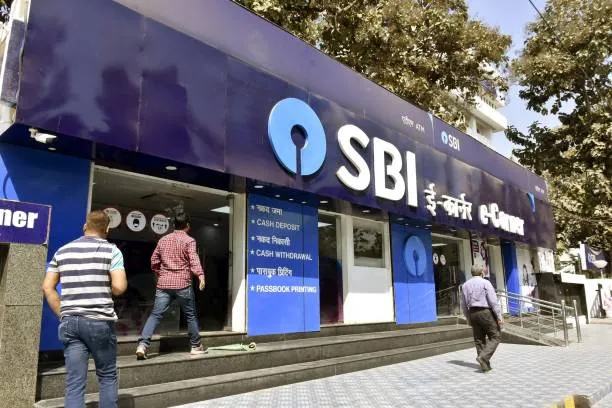
SBI Q4 FY26 Results Preview: Treasury Pain, ₹19,000 Cr PAT Estimate & Dividend – What to Watch on May 8
Quick Highlights: The Latest Big Numbers
- Net Profit Estimates: Analysts project SBI’s Q4 FY26 Profit After Tax (PAT) to range between ₹17,000 crore and ₹19,000 crore.
- Net Interest Income (NII) Forecast: Consensus estimates peg NII at ₹130,000 crore to ₹145,000 crore for the quarter.
- Treasury Income Decline: Nuvama Institutional Equities anticipates a sharp 54.7% year-on-year slide in treasury income, reaching approximately ₹3,120 crore.
- Loan Growth Projections: Strong loan book expansion is expected, with estimates around 14.5% year-on-year.
- Dividend Consideration: SBI’s board may also consider a dividend declaration for FY26 during its meeting on May 8, 2026.
Key Market Data (Live: May 07, 2026)
| Metric | Latest Value | Trend |
|---|---|---|
| SBI Stock Price (NSE) | ₹1,096.00 | ▲ 3.41% (as of May 6, 2026, 4:01 pm IST) |
| 52-Week High | ₹1,234.70 | Context: Touched on May 5, 2026 |
| 52-Week Low | ₹755.50 | Context: Recorded on May 5, 2026 |
| Market Cap | ₹10.11 lakh crore | As of May 7, 2026 |
| Volume | 14,380,514 shares | As of May 7, 2026, 07:46 IST |
| P/E Ratio (TTM) | 12.15 | As of May 7, 2026 |
Why It Happened: The Big May 07, 2026 Triggers
For Indian retail investors, understanding the forces shaping SBI’s Q4 performance is crucial, as it often sets the tone for the broader PSU banking sector. What’s driving the narrative this quarter?
1. Treasury Losses from Hardening Bond Yields?
The most significant headwind for SBI’s Q4 FY26 results is the anticipated impact from its treasury operations. Rising government bond yields during the January-March quarter have led to mark-to-market losses on the bank’s investment portfolio. This means the value of existing bonds held by the bank has decreased, directly affecting other income. Brokerages like Nomura and Kotak Institutional Equities project a substantial decline in profit, with Kotak forecasting a 22% fall.
2. Robust Loan Growth and Stable Asset Quality?
Despite the treasury challenges, SBI’s core banking business is expected to show resilience. Analysts widely project strong loan growth, with some estimates pointing to a 14.5% year-on-year increase. This sustained credit expansion, coupled with stable asset quality and benign credit costs, is seen as a key offsetting factor to the treasury pressures. The bank’s improved asset quality, evident in declining NPA ratios in previous quarters, is a positive indicator for its fundamental health.
3. Broader Banking Sector Trends and Institutional Activity?
The Indian banking sector, in general, is experiencing sustained credit growth, estimated at 12-15% year-on-year, alongside a gradual normalisation of Net Interest Margins (NIMs). While Foreign Institutional Investors (FIIs) were net sellers on May 6, 2026, with outflows of ₹5,834.90 crore, Domestic Institutional Investors (DIIs) provided strong support with net purchases of ₹6,836.87 crore on the same day. Intriguingly, FIIs have reversed their April selling spree to become net buyers in May month-to-date, with inflows of ₹2,835.62 crore, signaling renewed institutional confidence in the broader market.
Market Context: What the Broader Trend Says
The Indian banking sector continues to demonstrate resilience, underpinned by strong credit demand across retail and SME segments. Several major Indian banks, including HDFC Bank and ICICI Bank, have already reported robust Q4 FY26 earnings, showcasing healthy profit and loan growth, albeit with some grappling with rising funding costs impacting net interest margins. This broader positive sentiment provides a supportive backdrop for SBI, even as it navigates its specific challenges.
While SBI’s loan growth is expected to be strong, matching or exceeding the industry average, the key differentiator this quarter will be its ability to manage the treasury portfolio impact. Peers like Indian Bank, for instance, reported an 11% growth in net interest income for Q4 and a 5% increase in Q4 net profit, partly tempered by additional provisions. The market will scrutinise SBI’s Net Interest Margin (NIM) performance, especially in light of rising deposit costs that could put pressure on profitability. The sustained buying by DIIs, absorbing FII selling pressure, highlights the strong domestic liquidity and conviction in Indian equities, particularly in the banking space.
What It Means for Investors
As an investor in SBI, you’re looking at a mixed bag of expectations for Q4 FY26. While the bank’s fundamental strength, driven by robust loan growth and stable asset quality, remains intact, the treasury segment presents a near-term hurdle. The current stock price of ₹1,096.00, trading below its 52-week high of ₹1,234.70, suggests that some of these concerns might already be factored into the valuation.
You should closely monitor the actual treasury income reported and the management’s commentary on how they plan to mitigate such impacts in the future. Will they provide a positive outlook for FY27, which could serve as a critical catalyst? Keep an eye on the Net Interest Margin (NIM) figures; any significant compression could signal sustained pressure on profitability. For those considering fresh investments or averaging positions, the upcoming results and subsequent analyst call on May 8, 2026, at 5:15 PM will offer crucial insights into the bank’s future trajectory and potential dividend payouts.
Frequently Asked Questions
1. What are the expected Q4 FY26 net profit figures for SBI?
Analysts anticipate SBI’s Q4 FY26 net profit to be in the range of ₹17,000 crore to ₹19,000 crore. However, some brokerages expect a year-on-year decline of up to 12% due to treasury losses.
2. How will treasury pain impact SBI’s Q4 earnings?
Treasury pain, primarily stemming from higher government bond yields, is expected to lead to mark-to-market losses on SBI’s investment book. This will likely cause a significant dent in the bank’s other income, potentially offsetting gains from core banking operations.
3. What is the outlook for SBI’s loan growth and asset quality in Q4 FY26?
SBI is expected to maintain strong loan growth, projected between 14% and 17% year-on-year, driven by retail and SME segments. Its asset quality is also anticipated to remain stable, a positive factor amidst other challenges.
4. Should investors be concerned about SBI’s Net Interest Margins (NIMs)?
While NIMs are broadly expected to be stable due to lagged deposit benefits, there are concerns that rising funding costs could exert pressure. Investors should carefully review the reported NIMs to assess the bank’s core profitability health.
Conclusion: The Big Picture
SBI’s Q4 FY26 results, due this week, will paint a detailed picture of how India’s largest public sector bank is balancing robust core lending growth with the volatility of its investment portfolio. While the anticipated treasury pain might temper headline profit numbers, the underlying strength in loan book expansion and stable asset quality remains a reassuring factor for long-term investors. The market will undoubtedly be watching for management’s guidance on navigating future interest rate cycles and sustaining profitability. Will SBI’s diversified operations allow it to absorb the blow, or will the treasury impact be more significant than anticipated? Only the official announcement on May 8, 2026, will tell.
Disclaimer: The views expressed are for informational purposes only and do not constitute financial advice. Investing in stocks and IPOs involves significant risk.
forgeup.in is not liable for any financial losses. Always consult a certified investment advisor before making any decisions.