
The National Stock Exchange (NSE) recently filed its Draft Red Herring Prospectus (DRHP) for what is anticipated to be India’s largest IPO. While the market buzzes with excitement, the NSE’s own filing today, June 18, 2026, has highlighted a range of significant risks. These include regulatory challenges, technology vulnerabilities, the emerging threat of Artificial Intelligence (AI), and a heavy reliance on derivatives trading. For retail investors, understanding these flagged risks is crucial, as they could profoundly impact the stability and future direction of India’s capital markets.
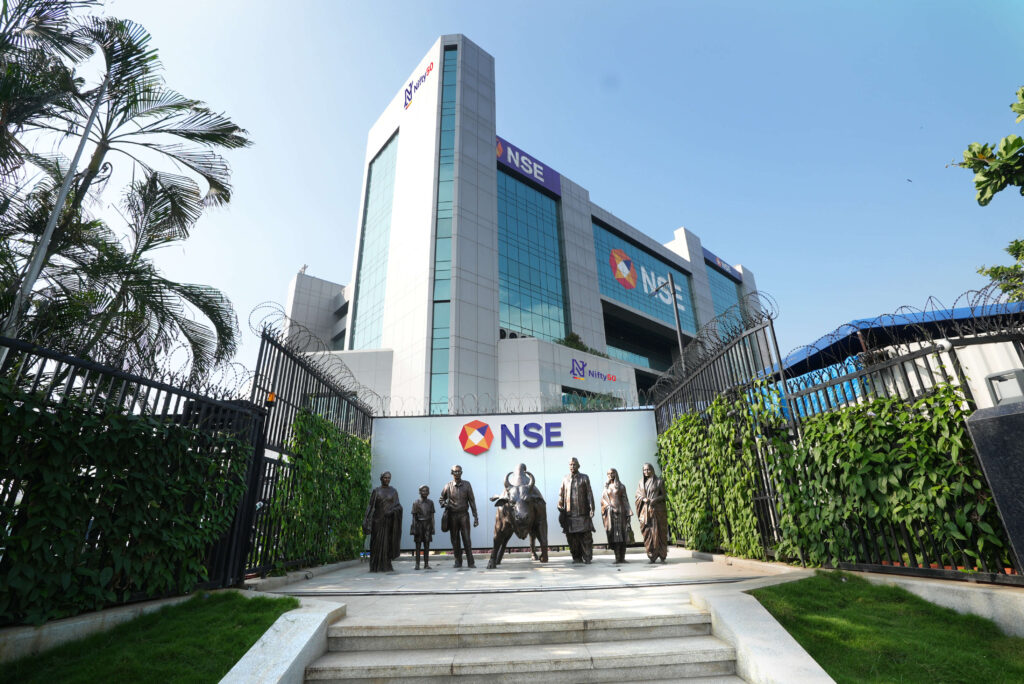
Quick Highlights: What Happened on June 18, 2026
- NSE DRHP Filing: The National Stock Exchange officially filed its preliminary IPO papers, detailing its strengths and outlining key risks.
- Regulatory Scrutiny: NSE acknowledged ongoing regulatory oversight, legal proceedings, and a provision of ₹1,391 crore for pending settlement related to past issues.
- Derivatives Concentration: The exchange highlighted its significant dependence on derivatives trading, with options alone contributing 60.22% of its operating revenue in FY26.
- Technology and AI Risks: NSE specifically flagged cybersecurity threats, system disruptions, and the potential for AI to cause operational failures, regulatory breaches, or even systemic risk.
- Market Reaction: The Nifty 50 index traded lower today, reflecting broader market volatility and investor caution.
Key Market Data — June 18, 2026
| Metric | Value (as of June 18, 2026) | Change |
|---|---|---|
| Nifty 50 | Rs 24,049.45 | Down 0.15% |
| 52-Week High | Data unavailable | Data unavailable |
| 52-Week Low | Data unavailable | Data unavailable |
| Market Cap | Data unavailable | Data unavailable |
| Volume | Data unavailable | Data unavailable |
Why It Happened: The Real Story Behind June 18, 2026’s Move
The NSE’s DRHP is not just a prospectus; it’s a candid assessment of the challenges facing India’s largest exchange. The detailed disclosure of risks provides investors with a comprehensive view of potential headwinds, moving beyond the usual focus on market dominance and profitability.
1. Derivatives Concentration Poses Significant Revenue Risk?
A major concern flagged by NSE is its heavy reliance on derivatives trading for revenue. Transaction charges contributed 78.65% of its operating revenue in FY26, with equity options alone accounting for a substantial 60.22%. This means that any regulatory changes, shifts in market sentiment, or participant behavior that reduce derivatives volumes could directly impact NSE’s earnings. In fact, SEBI’s measures introduced in 2024 and 2025 to strengthen the derivatives framework have already led to a moderation in trading activity and lower revenues.
2. Regulatory Scrutiny and Past Issues Remain a Shadow?
NSE operates under continuous regulatory oversight, and its DRHP highlights ongoing legal and regulatory proceedings. For example, the exchange has made a provision of ₹1,391 crore for the pending settlement of the co-location matter with SEBI. This history of enforcement actions and penalties underscores the inherent regulatory risk. Any future regulatory interventions or adverse outcomes from ongoing proceedings could affect NSE’s operations, financial condition, and reputation.
3. Technology and Emerging AI Threats Demand Vigilance?
As a fully electronic exchange, NSE’s business depends entirely on its IT infrastructure’s continuous and secure performance. The DRHP explicitly warns of cybersecurity risks like phishing attacks, ransomware, and data breaches. More importantly, NSE has dedicated an entire principal risk factor to Artificial Intelligence (AI) and machine learning. It cautions that reliance on erroneous AI-generated outputs could lead to operational failures, regulatory breaches, or financial losses, potentially increasing systemic risk in Indian capital markets. This is a forward-looking risk, given SEBI’s May 2026 advisory on AI-related risks.
The Broader Picture: What This Means for Indian Markets
NSE’s transparency in flagging these risks offers a crucial perspective for the entire Indian financial ecosystem. The heavy concentration in derivatives, for instance, highlights a potential vulnerability for market stability. If a significant portion of the exchange’s revenue comes from a segment that is prone to speculative activity and regulatory changes, it implies a certain level of systemic risk. This is why SEBI has been actively strengthening the derivatives framework.
Furthermore, the emphasis on technology and AI risks underscores the evolving landscape of financial markets. As trading becomes more automated and reliant on advanced algorithms, the potential for technical glitches or AI-driven errors to cause widespread disruption increases. This means that robust cybersecurity and responsible AI implementation are not just operational necessities for NSE but are critical for maintaining investor confidence across the entire market. The disclosures also reveal a concentration of revenue from a small number of top trading members, with the top 10 accounting for 46.78% of operating revenue in FY26. This dependency could expose the exchange to changes in their business strategies.
What the Data Shows for Investors
The data from NSE’s DRHP clearly illustrates the exchange’s strengths in market leadership and profitability, but it equally lays bare the inherent risks. The high percentage of revenue derived from derivatives, particularly options (60.22% of operating revenue in FY26), indicates that while this segment has been a growth engine, it also represents a significant point of vulnerability. This pattern suggests that investors should consider the potential impact of further regulatory tightening or shifts in trading behavior on NSE’s future earnings.
Moreover, the provision of ₹1,391 crore for regulatory settlements highlights the financial implications of past compliance issues. This indicates that regulatory adherence is not merely a procedural matter but has a tangible impact on the exchange’s financial health. The explicit mention of AI risks, including the potential for systemic risk, signals that technological advancements, while beneficial, also introduce new layers of complexity and potential fragility to market infrastructure.
Frequently Asked Questions
1. What are the main risks NSE flagged in its IPO papers today?
NSE’s IPO papers today, June 18, 2026, flagged key risks including heavy dependence on derivatives trading, ongoing regulatory scrutiny and legal proceedings, technology and cybersecurity vulnerabilities, and the emerging threats associated with Artificial Intelligence (AI).
2. How much of NSE’s revenue comes from derivatives trading?
In FY26, transaction charges contributed 78.65% of NSE’s operating revenue, with equity options alone accounting for 60.22% of total revenue from operations. This highlights a significant concentration in the derivatives segment.
3. What specific AI risks did NSE mention?
NSE warned that AI systems could produce inaccurate outputs, lead to operational failures, result in regulatory breaches, or cause financial losses. It also noted that failures in AI-based surveillance or risk management systems could increase systemic risk in Indian capital markets.
4. What is the significance of the ₹1,391 crore provision mentioned by NSE?
The ₹1,391 crore provision is for the pending settlement of the co-location matter with SEBI, indicating the financial impact of past regulatory issues and the ongoing need for compliance.
The Bottom Line
Today’s disclosures from NSE’s IPO papers provide a crucial, unvarnished look at the challenges facing India’s premier exchange. The data clearly shows a significant reliance on derivatives and highlights the complex interplay of regulatory, technological, and emerging AI risks. Investors now understand that while NSE holds a dominant position, its future trajectory will be shaped not just by market growth, but also by its ability to navigate these intricate and evolving risk factors. This transparency is vital for a healthy, informed market.
Disclaimer: The views expressed are for informational purposes only and do not constitute financial advice. Investing in stocks and IPOs involves significant risk. forgeup.in is not liable for any financial losses. Always consult a certified investment advisor before making any decisions.