
MRF Q4 Results Today: MRF Limited, India’s leading tyre manufacturer, reported a robust 37% year-on-year (YoY) increase in standalone net profit for the fourth quarter of fiscal year 2026, reaching Rs 680 crore. This strong performance, announced today, May 07, 2026, comes alongside a recommended final dividend of Rs 229 per share, bringing the total dividend for FY26 to Rs 235 per share. But how did MRF achieve such a significant profit jump when the broader tyre industry faces headwinds from rising raw material costs and export challenges?
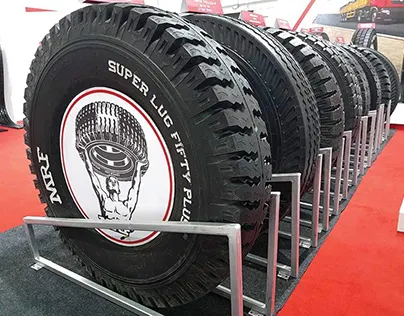
MRF Q4 Results Today: 37% Profit Jump, ₹235 Total Dividend & the Pricing Power Story Nobody Is Telling
Quick Highlights: What Happened on May 07, 2026
- Q4 FY26 Standalone Net Profit: MRF’s profit rose 37% YoY to Rs 680 crore.
- Q4 FY26 Standalone Revenue: Revenue from operations increased 14% YoY to Rs 7,908 crore.
- Final Dividend Declared: The company recommended a final dividend of Rs 229 per share.
- Total FY26 Dividend: Including interim payouts, the total dividend for FY26 stands at Rs 235 per share.
- Annual Consolidated Profit: For the full FY26, consolidated net profit reached Rs 2,426.10 crore.
Key Market Data – May 07, 2026
| Metric | Value (as of May 07, 2026) | Change / Context |
| MRF Closing Price | Rs 1,31,735.00 | Up 1.07% from previous close |
| 52-Week High | Rs 1,63,600.00 | Hit earlier in the fiscal year |
| 52-Week Low | Rs 1,23,455.00 | Support level reached in late 2025 |
| Market Cap | Rs 55,993.68 Crore | Leading Indian tyre manufacturer |
| Volume | 15,039 shares | 11.3x higher than daily average (1,331) |
Why It Happened: The Real Story Behind May 07, 2026’s Move
While many reports highlighted MRF’s impressive profit growth, few explained the underlying factors that allowed the company to outperform despite broader industry pressures. This strong performance can be attributed to a combination of strategic pricing, an optimized product mix, and efficient operational management.
1. Strategic Pricing and Product Mix?
MRF likely benefited from its ability to implement price hikes in the past, which, combined with an improved product mix, led to better realisations. This is a key factor for the tyre industry, as ICRA noted that improved realisations are largely driven by product mix. By focusing on higher-margin products or segments, MRF could have boosted its overall profitability.
2. Operational Efficiency and Cost Management?
Despite elevated natural rubber prices and rising crude-linked input costs, MRF’s significant profit jump suggests strong internal cost controls and operational efficiencies. The company managed to keep its total costs in check, which rose by 12% year-over-year, while revenue increased by 14%. This indicates effective management of its raw material inventory and manufacturing processes.
3. Resilient Domestic Demand?
The Indian tyre industry is seeing stable replacement demand, which is a significant driver of growth. MRF, with its strong brand presence and distribution network in the domestic market, was well-positioned to capitalize on this consistent demand, especially in segments like passenger vehicles and two-wheelers.
The Broader Picture: What This Means for Indian Markets
The Indian tyre industry is navigating a complex landscape. While domestic demand, particularly from the replacement market, is expected to grow by 6-8% in FY26, challenges persist. Raw material costs, especially natural rubber and crude oil derivatives like carbon black and synthetic rubber, remain elevated due to global supply chain disruptions and geopolitical tensions in West Asia. These inputs account for a substantial 60-70% of total raw material costs.
Moreover, Indian tyre exports face headwinds from rising US import tariffs and disruptions in key shipping routes like the Strait of Hormuz and the Suez Canal. These factors lead to increased freight charges and longer transit times, impacting the competitiveness of Indian manufacturers. However, the government’s focus on infrastructure development, with a public capital expenditure of Rs 12.2 lakh crore in Budget 2026-27, is a positive long-term driver for tyre demand across all vehicle segments. This means that while short-term pressures exist, the underlying demand drivers for the sector remain robust.
Also read about Fundamental Analysis of Hindustan Foods
What the Data Shows for Investors
MRF’s Q4 FY26 results demonstrate the company’s ability to deliver strong financial performance even when the broader industry faces cost and export challenges. The data shows a significant 37% YoY increase in standalone net profit to Rs 680 crore, coupled with a 14% rise in revenue to Rs 7,908 crore. This pattern suggests effective operational strategies and pricing power.
Furthermore, the recommendation of a final dividend of Rs 229 per share, adding to the two interim dividends of Rs 3 each for a total of Rs 235 per share for FY26, indicates the company’s commitment to shareholder returns. While the overall tyre industry is projected to see revenue growth of 7-9% in FY26, driven by domestic volumes and an improved product mix, the data also highlights the ongoing pressure from elevated raw material prices and export market uncertainties. Investors should monitor these industry-wide factors alongside individual company performance.
Frequently Asked Questions
1. What were MRF’s key financial figures for Q4 FY26?
MRF reported a standalone net profit of Rs 680 crore for Q4 FY26, marking a 37% increase year-on-year. The company’s revenue from operations for the quarter stood at Rs 7,908 crore, up 14% from the previous year.
2. What is the total dividend declared by MRF for FY26?
MRF’s board recommended a final dividend of Rs 229 per share for FY26. This brings the total dividend for the financial year to Rs 235 per share, including two interim dividends of Rs 3 each already paid.
3. What are the major challenges facing the Indian tyre industry in FY26?
The Indian tyre industry faces challenges from elevated raw material prices, particularly natural rubber and crude-linked derivatives, due to global supply chain disruptions and geopolitical tensions. Additionally, US import tariffs and disruptions in key shipping routes are impacting tyre exports.
4. How is the government’s infrastructure push impacting the tyre sector?
The government’s increased public capital expenditure of Rs 12.2 lakh crore in Budget 2026-27 is a significant positive for the tyre industry. This focus on infrastructure development is expected to boost long-term demand for tyres across all vehicle segments.
The Bottom Line
MRF’s latest Q4 FY26 results showcase a strong financial performance, with a 37% surge in standalone net profit to Rs 680 crore and a recommended final dividend of Rs 229 per share. This indicates the company’s ability to navigate a challenging environment through strategic pricing, an optimized product mix, and efficient operations. While the broader tyre industry continues to grapple with rising raw material costs and export market uncertainties, the data suggests that companies with strong fundamentals and effective management can still deliver robust growth.
Disclaimer: The views expressed are for informational purposes only and do not constitute financial advice. Investing in stocks and IPOs involves significant risk.
forgeup.in is not liable for any financial losses. Always consult a certified investment advisor before making any decisions.