
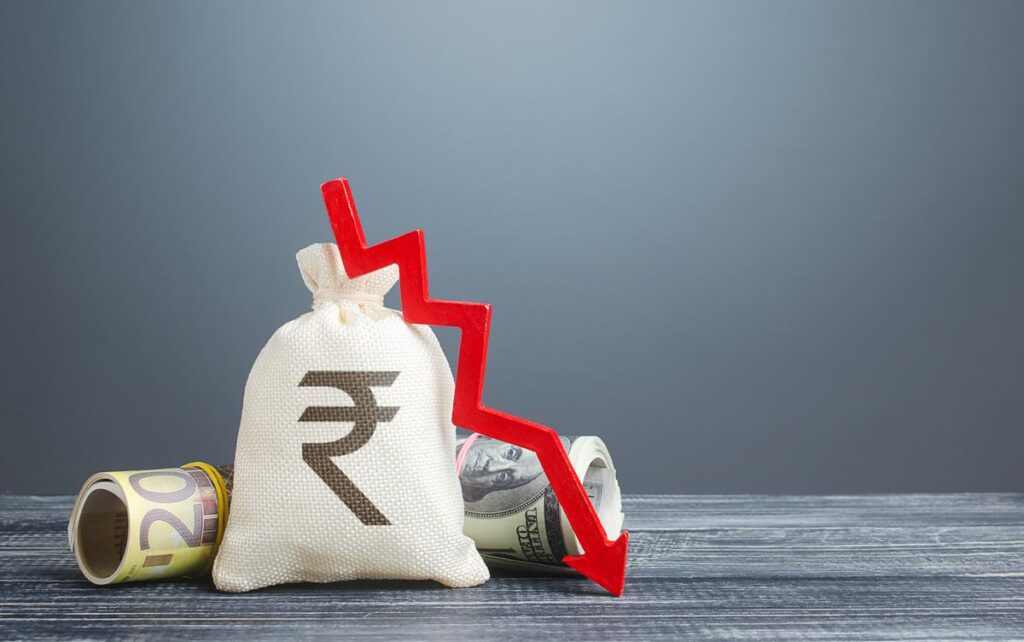
The Indian Rupee dipped today, June 04, 2026, extending a recent decline against the US Dollar. While the Reserve Bank of India (RBI) has actively intervened to stabilize the currency, bankers and economists are now cautioning that this relief might be temporary without concrete measures to attract fresh dollar inflows into the country. This situation puts the spotlight on the upcoming RBI Monetary Policy Committee meeting.
Quick Highlights: What Happened on June 04, 2026
- Rupee Dips: The Indian Rupee traded at Rs 95.7550 against the US Dollar today, extending a two-session decline.
- Oil Prices Remain Elevated: Brent crude oil was at $97.01 per barrel, down 0.81% today, but still a significant factor in Rupee weakness.
- FII Outflows Continue: Foreign Institutional Investors (FIIs) were net sellers of Rs 5,616.56 crore in Indian equities on June 03, 2026.
- RBI Intervention: The RBI has intervened in spot and forward markets, helping the Rupee recover from a record low of Rs 96.96 hit mid-May.
- Call for Inflow Measures: Bankers emphasize the need for the government and RBI to implement measures to boost foreign capital inflows.
Key Market Data — June 04, 2026
| Metric | Value (as of June 04, 2026) | Change |
|---|---|---|
| USD/INR Exchange Rate | Rs 95.7550 | Dips 0.052% |
| 52-Week High (INR) | Rs 99.82 | Hit in March 2026 |
| Recent Record Low (INR) | Rs 96.96 | Hit mid-May 2026 |
| Brent Crude Oil | $97.01 per barrel | Down 0.81% today |
| FII Net Activity (June 03, 2026) | Rs -5,616.56 Cr | Net sellers in equities |
Why It Happened: The Real Story Behind June 04, 2026’s Move
While the RBI’s efforts have provided some stability, many reports highlight the Rupee’s dip today without fully explaining why bankers believe this relief is fragile. The real story lies in the persistent external pressures and the growing consensus that direct intervention alone cannot sustain the Rupee’s strength without attracting more foreign capital.
1. Persistent Foreign Capital Outflows?
A major factor weighing on the Rupee is the continuous outflow of foreign funds from Indian markets. Foreign Institutional Investors (FIIs) were net sellers of Rs 5,616.56 crore in Indian equities on June 03, 2026, and have been net sellers for all three trading days in June so far. This trend of FII selling, which has seen foreign investors withdraw approximately $26.4 billion from Indian markets this year, creates a consistent demand for dollars, putting downward pressure on the Rupee.
2. Elevated Global Crude Oil Prices?
India heavily relies on crude oil imports, making it highly vulnerable to global price fluctuations. Despite a slight dip today, Brent crude oil remains elevated at $97.01 per barrel. Higher oil prices mean India needs more dollars to pay for its imports, which in turn widens the current account deficit and weakens the Rupee. Forex traders note that prolonged West Asia crises pose a major risk for India due to this energy import dependency.
3. RBI’s Intervention Needs Complementary Inflow Measures?
The RBI has actively intervened by selling dollars in the spot and forward markets to curb excessive volatility and prevent a sharper depreciation of the Rupee. This intervention helped the Rupee recover from its record low of Rs 96.96 per dollar in mid-May. However, bankers argue that these interventions, while crucial for short-term stability, draw down foreign exchange reserves. To ensure long-term stability, the RBI needs the government to implement measures that actively attract dollar inflows, rather than just managing outflows.
The Broader Picture: What This Means for Indian Markets
The Rupee’s continued weakness, despite RBI’s interventions, signals a deeper challenge for the Indian economy. The ongoing FII outflows and elevated crude oil prices are not just currency issues; they impact broader market sentiment and inflation. A depreciating Rupee makes imports, including essential commodities, more expensive, potentially fueling inflation. This could put pressure on the RBI to consider monetary tightening later in the year, even if it holds rates steady in the upcoming meeting.
The focus on attracting dollar inflows is critical. Measures like scrapping capital gains tax on foreign portfolio investment in government bonds or reviving schemes to draw in non-resident Indian deposits are being discussed. Such steps could bolster India’s foreign exchange reserves and provide a more sustainable solution to Rupee stability, reducing the burden on direct RBI intervention. This proactive approach is essential for maintaining investor confidence in Indian assets.
What the Data Shows for Investors
The data clearly indicates that the Indian Rupee is under pressure, trading at Rs 95.7550 against the US Dollar today. This is a significant depreciation from its January 2026 opening level of approximately Rs 89.95. The consistent FII selling, amounting to Rs 5,616.56 crore on June 03, 2026, highlights a cautious stance from foreign investors. This pattern suggests that global risk aversion, coupled with domestic factors like high oil prices, is driving capital away from Indian equities.
NSE figures indicate that the Rupee has weakened 11.42% over the last 12 months, reaching a 52-week high of Rs 99.82 in March 2026. While the RBI’s interventions have prevented a freefall, the market is now looking for more structural solutions. The government’s consideration of measures to attract foreign capital, such as tax incentives for bond investors, reflects an understanding of this need. Investors should monitor these policy developments closely, as they could significantly influence the Rupee’s trajectory and the attractiveness of Indian assets.
Frequently Asked Questions
1. Why is the Indian Rupee weakening despite RBI intervention?
The Indian Rupee is weakening due to persistent foreign capital outflows and elevated global crude oil prices. While the RBI intervenes by selling dollars to stabilize the currency, these interventions address symptoms rather than root causes. Bankers argue that without fresh measures to attract more dollars into India, the underlying pressures on the Rupee will continue.
2. What are “inflow measures” that bankers are suggesting?
“Inflow measures” refer to policies designed to attract foreign currency into India. These could include scrapping capital gains tax on foreign investments in government bonds, reviving schemes to encourage dollar deposits from Non-Resident Indians (NRIs), incentivizing offshore borrowing, and issuing foreign-currency bonds by state-run banks.
3. Will the RBI raise interest rates to defend the Rupee?
Most economists expect the RBI to keep the benchmark repo rate unchanged at 5.25% in its upcoming Monetary Policy Committee meeting on June 05, 2026. The central bank is likely to prefer managing currency through forex market interventions and non-policy measures rather than solely using interest rate hikes, which could impact economic growth.
4. How do FII outflows impact the Rupee?
Foreign Institutional Investor (FII) outflows directly impact the Rupee by increasing the demand for US Dollars. When FIIs sell Indian equities or bonds, they convert their Rupee proceeds into dollars to repatriate funds, thereby putting downward pressure on the Rupee’s exchange rate. FIIs were net sellers of Rs 5,616.56 crore on June 03, 2026.
The Bottom Line
The Indian Rupee’s dip today to Rs 95.7550 highlights the ongoing challenges from global crude oil prices and significant FII outflows. While the RBI’s interventions have been crucial in preventing a steeper fall, the data shows that these efforts alone are not enough for sustained stability. Bankers are clear: fresh, proactive measures to attract dollar inflows are essential to bolster the Rupee in the long run. Investors should watch for government and RBI announcements on these inflow-boosting policies, as they will be key to the Rupee’s future trajectory.
Disclaimer: The views expressed are for informational purposes only and do not constitute financial advice. Investing in stocks and IPOs involves significant risk. forgeup.in is not liable for any financial losses. Always consult a certified investment advisor before making any decisions.