
The US Federal Reserve’s crucial policy meeting concludes today, June 17, 2026, and while interest rates are widely expected to remain unchanged, the real story for Indian investors lies elsewhere. This meeting marks the debut of new Fed Chair Kevin Warsh, and his first “dot plot” projections and communication style will offer vital clues about the future direction of US monetary policy. For you, a retail investor in India, understanding these nuances is far more important than the headline rate decision itself, as they directly influence foreign investment flows and the Indian rupee.
Quick Highlights: What Happened on June 17, 2026
- Rates Held Steady: The US Federal Reserve is widely expected to keep its benchmark interest rate unchanged at 3.50%-3.75%.
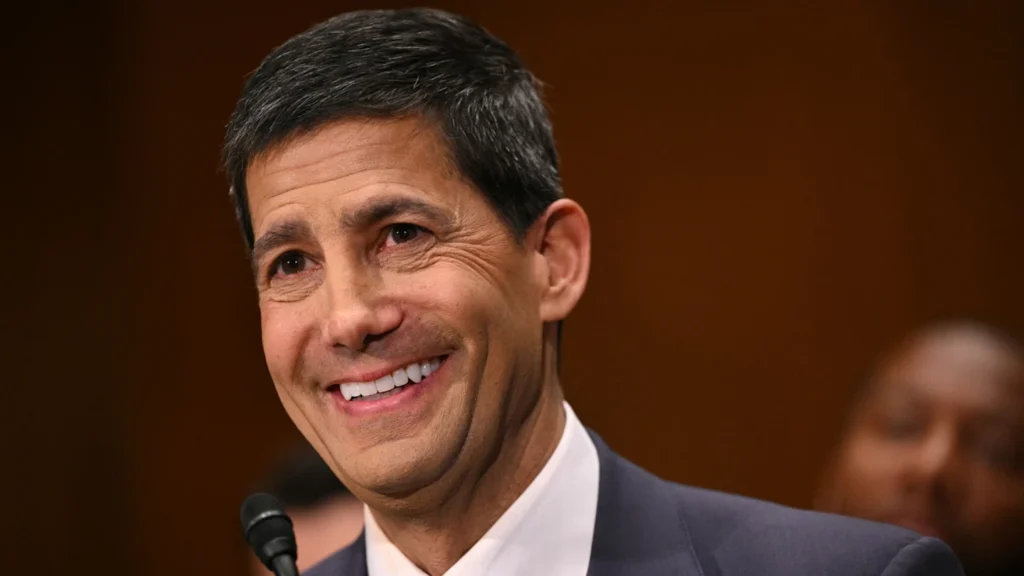
- New Fed Chair: This is Kevin Warsh’s first Federal Open Market Committee (FOMC) meeting as the new Fed Chair.
- Dot Plot Focus: Investors are keenly watching the updated “dot plot” for signals on future rate cuts, especially whether the last projected 2026 cut is removed.
- Easing Bias Removal: The FOMC statement might remove its “easing bias” language, indicating a more neutral stance.
- Inflation Concerns: US inflation remains elevated, with May CPI at 4.2% year-over-year, driven by higher energy prices.
Key Market Data — June 17, 2026
| Metric | Value (as of June 17, 2026) | Change |
|---|---|---|
| Nifty 50 | Rs 24,048.30 | +59.30 (+0.25%) |
| Sensex | Rs 77,054.10 | +245.62 (+0.32%) |
| USD/INR | 94.3630 | Unchanged |
| Brent Crude | ~$79 a barrel | Data available |
| FII Activity (June 16) | Net sellers Rs 7.49 billion | Outflows continue |
Why It Happened: The Real Story Behind June 17, 2026’s Move
While most headlines will confirm the US Fed held rates today, that’s only part of the story. For you, the Indian investor, the crucial elements are the signals about future policy, especially from new Chair Kevin Warsh.
1. The Dot Plot: A Shift in Rate Cut Expectations?
The Federal Reserve’s “dot plot” is a chart showing each policymaker’s projection for future interest rates. In March 2026, the median forecast still indicated one rate cut this year. However, recent inflation data, with May CPI at 4.2% year-over-year, makes further cuts unlikely. Today’s updated dot plot is expected to remove any remaining projection for a 2026 rate cut, aligning the Fed more closely with market expectations of no cuts this year, or even a potential hike. This shift directly impacts global liquidity and investor sentiment.
2. Warsh’s Tone and the “Easing Bias” Language?
This is Kevin Warsh’s first press conference as Fed Chair, and his communication style will be closely scrutinized. Furthermore, the FOMC statement might drop its “easing bias” language, which previously suggested that the next rate adjustment would likely be a reduction. A more neutral or even hawkish tone from Warsh, coupled with the removal of this bias, would signal the Fed’s increased concern about persistent inflation. This could lead to a stronger US dollar and higher US bond yields.
3. Inflation Risks and Global Impact?
High energy prices, partly due to geopolitical events, have contributed to accelerating inflation in the US. Some Fed officials have even suggested that further rate increases might be necessary if inflation remains stubbornly high. A hawkish Fed, focused on taming inflation, can pressure emerging markets like India. This is because foreign institutional investors (FIIs) might prefer safer, higher-yielding dollar assets, potentially leading to FII outflows from Indian equities.
The Broader Picture: What This Means for Indian Markets
The US Fed’s decisions have a significant ripple effect on Indian markets. A hawkish stance from the Fed, even without a rate hike today, can lead to a stronger US dollar and potentially higher US bond yields. This dynamic often makes emerging markets less attractive to foreign investors. As of June 16, 2026, FIIs were net sellers of Indian shares worth Rs 7.49 billion, contributing to year-to-date outflows of $30.67 billion. Continued FII outflows can put pressure on Indian equity markets and the rupee.
However, Indian markets opened higher today, with the Nifty crossing 24,000, partly due to optimism surrounding a US-Iran peace framework and declining crude oil prices. Lower crude prices are beneficial for India, a major oil importer, as they ease inflation concerns. Despite this positive domestic sentiment, the cautious approach ahead of the Fed’s verdict highlights the interconnectedness of global markets.
What the Data Shows for Investors
The data indicates a cautious but resilient Indian market today, with the Nifty 50 up 0.25% and the Sensex up 0.32% as of 2:00 PM IST. However, the unchanged USD/INR exchange rate at 94.3630, despite earlier rupee strengthening due to lower oil prices, suggests underlying caution ahead of the Fed’s announcement.
NSE figures show that rate-sensitive sectors like banking and IT could remain in focus. A hawkish Fed could pressure sectors like NBFCs, real estate, and housing finance. Conversely, a weaker rupee, if it occurs, might offer some benefit to IT stocks that earn in dollars, though this could be offset by a broader weakening of global tech sentiment. This pattern suggests that investors are balancing domestic positives with global policy uncertainties.
Frequently Asked Questions
1. What is the expected outcome of the US Fed meeting today?
The US Federal Reserve is widely expected to keep its benchmark interest rate unchanged at 3.50%-3.75% at the conclusion of its meeting today, June 17, 2026.
2. Why is the “dot plot” so important for investors?
The “dot plot” shows each Fed policymaker’s projection for future interest rates. It is crucial because it signals the committee’s collective view on the future path of monetary policy, including potential rate cuts or hikes, which directly impacts market expectations and investor behavior.
3. How does a hawkish Fed impact Indian markets?
A hawkish Fed, indicating a tighter monetary policy, can lead to a stronger US dollar and higher US bond yields. This can make emerging markets like India less attractive to foreign investors, potentially causing FII outflows, pressure on the Indian rupee, and impacting rate-sensitive sectors.
4. Who is Kevin Warsh and why is his first meeting significant?
Kevin Warsh is the new Chairman of the US Federal Reserve, presiding over his first FOMC meeting today. His communication style, interpretation of economic data, and influence on the committee’s forward guidance are significant as they will set the tone for future US monetary policy.
The Bottom Line
Today’s US Fed meeting is less about the immediate rate decision and more about the signals from new Chair Kevin Warsh and the updated dot plot. The data showed Indian markets navigating global cues with caution. You now understand that any shift in the Fed’s outlook on future rate cuts or a more hawkish tone could influence FII flows and the rupee, making it essential to monitor these developments for your portfolio.
Disclaimer: The views expressed are for informational purposes only and do not constitute financial advice. Investing in stocks and IPOs involves significant risk. forgeup.in is not liable for any financial losses. Always consult a certified investment advisor before making any decisions.