what to know about insurance deductibles
Finance

What to Know About Insurance Deductibles: Health, Auto, and Home

Deductible basics A deductible is the initial amount paid by the policyholder on a covered claim; after this threshold, the insurer pays according to policy terms, and premiums typically fall as deductibles rise because risk‑sharing increases. Health deductibles generally reset annually, while auto and home deductibles apply per claim and are subtracted from the settlement […]

pay off debt or save first
Finance

Should You Pay Off Debt or Save First? A Clear, 4‑Step Playbook

The 4‑step decision Why the 6% threshold? Analysis suggests that when expected portfolio returns and tax advantages are weighed, paying off debts above roughly 6%6% tends to beat investing unmatched dollars for many savers; below that, investing may produce better long‑run outcomes, especially for those far from retirement. Adjust this threshold up or down depending on risk

psychology behind impulse spending
Finance

The Psychology Behind Impulse Spending: Why Smart People Splurge

Why the brain loves “buy now” How marketers tilt the field Why “good intentions” fail Even disciplined planners succumb when present bias meets high-arousal cues—the momentary value swamps future considerations, leading to time-inconsistent choices that earlier selves wouldn’t endorse. Real-time personalization makes this worse by targeting precisely when susceptibility spikes, shrinking the window for rational

what lowers your credit score
Finance

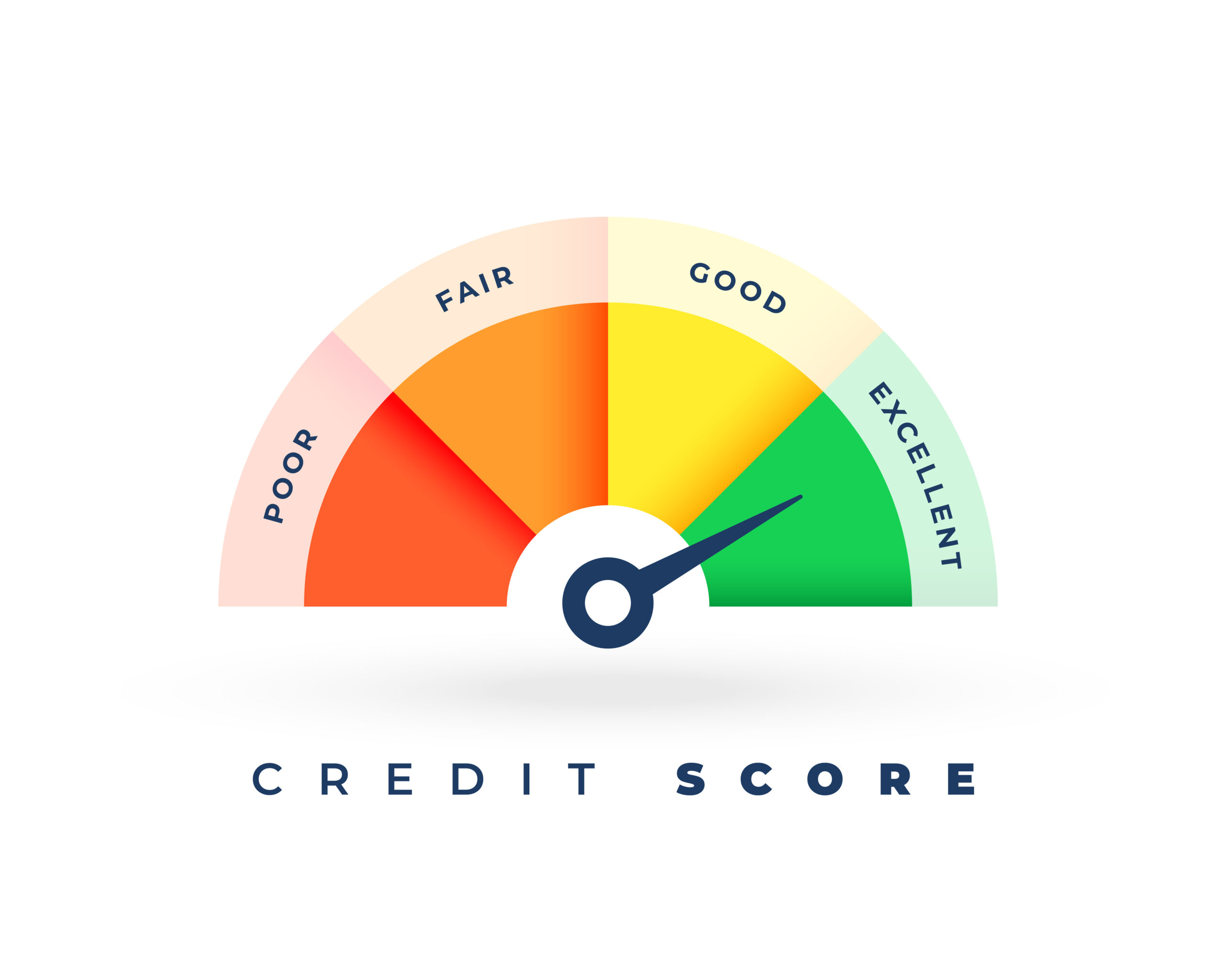
What Lowers Your Credit Score? The 10 Biggest Culprits

The biggest score drags How long negatives last Most derogatory items remain for seven years; Chapter 7 bankruptcy can last ten years, while hard inquiries typically affect scores for up to two years with the impact fading sooner. Late-payment damage is front‑loaded—largest initially, then diminishing as new positive history accumulates over months and years. Fastest

debt avalanche vs snowball
Finance

Debt Avalanche vs Snowball: Which Is Better and When?

Quick definitions Which is better? When to choose each A practical hybrid Start with a 60–90 day snowball to clear two or three smallest balances, then switch to avalanche to maximize savings—this can combine motivation with math without materially delaying payoff when APRs are spread out. Keep minimums on all debts, automate payments, and channel

how to read your credit report
Blog, Finance

How to Read Your Credit Report: Sections, Red Flags, and Fixes

What a credit report includes A credit report is a detailed file of credit accounts and activity compiled by bureaus such as Experian, Equifax, and TransUnion (India: CIBIL, Equifax, Experian, CRIF Highmark), used by lenders to evaluate risk and price loans. Although layouts differ by bureau, the core sections are consistent: personal information, credit accounts,

are credit card rewards worth it 2025
Blog, Finance

Credit Card Rewards in 2025: Are They Worth It? Yes—If You Pay in Full, Pick the Right Card, and Avoid Devaluations

Yes—credit card rewards can be very worth it in 2025 if balances are paid in full within the grace period, the card matches actual spending categories, and redemptions avoid poor value; otherwise, interest and fees wipe out any gains. When rewards add real value When rewards aren’t worth it How to maximize rewards safely Practical

Scroll to Top