
Fundamental Analysis of United Spirits: United Spirits Ltd (Diageo India) is India’s largest spirits company and a subsidiary of the global giant Diageo PLC. With a portfolio of iconic brands like Johnnie Walker, Black Dog, McDowell’s No. 1, and Royal Challenge, it dominates the Indian alcobev landscape. As of May, 2026, the company is at the forefront of the “Premiumization” wave—a structural shift in Indian consumption moving from mass-market brands to luxury and craft offerings.
In the May 2026 market, United Spirits is navigating a complex macro environment. While the stock has faced pressure from a 26% US reciprocal tariff on certain Indian exports—leading to a broader FII sell-off in April—its internal fundamentals remain anchored by superior pricing power and a debt-free balance sheet. The company is currently transitioning its focus toward the Prestige & Above (P&A) segment, which now delivers significantly higher margins than its legacy popular brands.
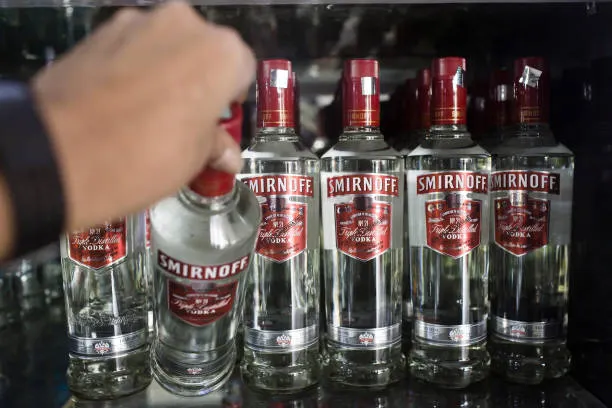
Fundamental Analysis of United Spirits Ltd 2026: Business Segments, Financials & Strategic Outlook
Business Profile: The “Premiumization” Engine
United Spirits has spent the last three years “cleaning up” its portfolio, divesting dozens of mass-market brands to focus exclusively on high-growth, high-margin premium spirits.
A. Segment Mix (2026 Data)
- Prestige & Above (P&A): This segment is the crown jewel, contributing over 80% of net sales value in 2026. Brands like Royal Challenge American Pride and Signature are seeing 12–15% annual value growth.
- Luxury & Scotch: Featuring Johnnie Walker, Singleton, and Black Dog, this segment targets the high-net-worth demographic and has benefited from the rising “home-bar” culture in urban India.
- Innovation & Craft: In late 2025, the full integration of NAO Spirits (makers of Greater Than and Hapusa gin) allowed United Spirits to capture a dominant share of the burgeoning Indian craft gin market.
B. Strategic “P&A” Pivot
The company’s strategy involves “trading up” the Indian consumer. By premiumizing the McDowell’s No. 1 franchise and launching limited editions of Black Dog, Diageo India is extracting more value per case rather than chasing pure volume.
Fundamental Analysis of United Spirits: Financial Performance: FY26 Snapshot
The Q4 FY26 results (announced in late April/early May 2026) highlight a period of margin expansion despite volume headwinds in certain states.
A. Key Financial Snapshot (May 2026)
| Metric | Value (Approx. May 4, 2026) | Trend |
| Current Market Price (CMP) | ₹1,380 – ₹1,450 | Consolidating |
| Market Capitalization | ~₹1,05,000 Crore | Large-Cap Leader |
| Trailing P/E Ratio | 38x – 56x | Premium Valuation |
| ROE (%) | 18% – 22% | Improving |
| Dividend (FY26 Total) | ₹12 – ₹14 per share | High Payout |
B. Q4 FY26 Estimated Performance
- Revenue: Expected between ₹3,200 – ₹3,450 Crore, driven by strong realizations and a favorable product mix.
- EBITDA Margin: Projected to stabilize at 18–20%, up from historical levels of 15–16%, thanks to cost-control measures and the premium mix.
- Net Profit (PAT): Estimated at ₹365 – ₹400 Crore for the quarter.
Fundamental Strengths: The Diageo “Moat”
1. Global Pedigree & Innovation
As a Diageo subsidiary, United Spirits has access to world-class manufacturing standards, marketing blueprints, and global supply chains. This allows them to launch international trends (like flavoured vodka or luxury tequila) in India years ahead of domestic competitors.
2. Debt-Free & Cash Rich
In May 2026, United Spirits maintains a net-debt-free balance sheet. This financial strength has allowed the company to consistently reward shareholders; it declared an interim dividend of ₹6.00 per share in January 2026 and is expected to recommend a final dividend this month.
3. Supply Chain Efficiency
The company has successfully localized the production of premium brands like Heineken Silver and certain Scotch variants, significantly reducing import duty burdens and improving operational margins.
Fundamental Analysis of United Spirits: Key Growth Triggers for FY27
A. The “Scotch-Led” Strategy
With the potential for a UK-India Free Trade Agreement (FTA) in 2026-27, there is high optimism for a reduction in the 150% import duty on Scotch whisky. If realized, brands like Johnnie Walker would see a massive volume surge as they become more affordable to the middle class.
B. Expansion in Luxury Gin and Tequila
The “cocktail culture” among urban Gen-Z and Millennials in India is driving record growth in the white spirits segment. United Spirits is leveraging its acquisition of NAO Spirits to lead this high-margin category.
Risk Factors and Bear Case
- Regulatory & Excise Risk: Alcohol remains a state subject in India. Sudden hikes in excise duty or changes in distribution policy (like those seen in Delhi or South India) can overnight impact regional volumes.
- US Tariff Sentiment: While alcohol isn’t directly targeted, the 26% US reciprocal tariff on Indian goods (April 2026) has triggered a broader exit of FIIs from Indian large-caps. With ~15% FII holding, United Spirits is sensitive to global capital flows.
- Input Cost Inflation: Volatility in the price of Extra Neutral Alcohol (ENA) and glass packaging can compress margins if the company is unable to secure state-level price hikes.
Also read about TVS Motor vs Hero MotoCorp
Fundamental Analysis of United Spirits: Shareholding Pattern (March 2026)
- Promoter (Diageo): 56.0% (Strong commitment; zero pledging).
- FIIs (Foreign Institutions): 14.8% (Currently under pressure due to global macro shifts).
- DIIs (Domestic Mutual Funds): 12.2% (Increasingly bullish on the premiumization story).
- Public/Retail: ~17.0%.
Frequently Asked Questions(FAQ)
Is United Spirits a good dividend stock?
In 2026, United Spirits has transitioned into a consistent dividend payer. With an expected total annual payout of ₹12–₹14 per share, it offers a decent yield for a growth-oriented large-cap, supported by its zero-debt status.
How does the US reciprocal tariff affect United Spirits?
Directly, the impact is minimal as its primary market is India. Indirectly, it affects the stock via FII sell-offs in the Nifty 50, which includes United Spirits. The stock’s recovery in May 2026 depends on FIIs returning to Indian consumption stories.
What is the “P&A” segment everyone talks about?
“Prestige & Above” (P&A) refers to brands priced significantly higher than mass-market spirits. This segment is the key to United Spirits’ profitability, as it carries 3–4x the margin of popular brands.
Conclusion: The May 2026 Verdict
United Spirits is a “Quality-at-a-Price” play. While its P/E ratio of 38x–56x makes it more expensive than global peers, it is justified by its dominant position in one of the world’s fastest-growing alcohol markets. In May 2026, the company is no longer just a “spirits seller” but a luxury brand aggregator. For long-term investors, any correction toward the ₹1,200–₹1,300 zone—driven by global tariff fears—should be viewed as a significant accumulation opportunity, given the structural 15%+ growth in the premium segment.
Disclaimer: The views expressed are for informational purposes only and do not constitute financial advice. Investing in stocks and IPOs involves significant risk.
forgeup.in is not liable for any financial losses. Always consult a certified investment advisor before making any decisions.