
Fundamental Analysis of Bajaj Auto: Bajaj Auto Limited is a powerhouse within the global two- and three-wheeler segments, exporting to over 70 countries across Latin America, Africa, and Asia. As of May, 2026, the company has entered a spectacular structural transformation phase. Moving well beyond its traditional legacy internal combustion engine (ICE) footprint, the company has established high-margin premium partnerships with KTM and Triumph, while scaling its electric vehicle (EV) ecosystems.
In the current stock market sessions, Bajaj Auto is trading at approximately ₹9,800, consolidating inside a 52-week structural band of ₹8,400 to ₹12,800. Bolstered by its record-shattering audited full-year earnings released on May 6, 2026, the company currently commands a market capitalization of ₹2,74,000 crore, representing the largest and most operationally profitable player in its automobile sub-sector.
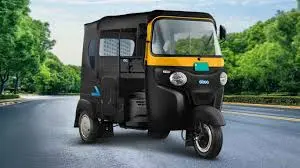
Fundamental Analysis of Bajaj Auto: FY26 Results, Dividend, Buyback & Key Financial Metrics Explained
Financial Performance: Landmark FY26 Financial Triumph
Bajaj Auto’s Q4 and full-year FY26 audited results showcased massive top-line expansion and explosive consolidated net profit growth, reflecting heavy operating leverage and premium pricing power.
A. Key Financial Metrics
| Metric | Q4 FY26 (Actual) | Trend (YoY) | FY26 Full Year | Trend (YoY) |
| Consolidated Revenue | ₹17,832 Crore | ▲ 41.0% | ₹62,905 Crore | ▲ 23.0% |
| Standalone Revenue | ₹16,006 Crore | ▲ 31.8% | ₹58,732 Crore | ▲ 17.0% |
| Standalone EBITDA | ₹3,323 Crore | ▲ 35.6% | ₹12,019 Crore | ▲ 19.0% |
| Standalone PAT | ₹2,746 Crore | ▲ 34.0% | ₹9,825 Crore | ▲ 21.0% |
| Consolidated PAT | ₹3,662 Crore | ▲ 103.2% | ₹10,744 Crore | ▲ 47.0% |
| EBITDA Margin (%) | 20.8% | ▲ 60 bps | 20.5% | Industry-Leading |
Analytical Insight: While standalone metrics capture clean automotive core dynamics, the consolidated PAT numbers (+47% for the full year) reflect a major corporate milestone—the formal consolidation of KTM AG and its subsidiaries into the balance sheet following the acquisition of a controlling stake in November 2025.
B. The 100% PAT Return Framework
Demonstrating an extraordinary level of shareholder alignment and balance sheet health, the Board of Directors approved distributing 100% of its standalone full-year profits (₹9,825 crore) back to investors:
- Massive Cash Dividend: Recommended a final dividend of ₹150 per equity share (1,500% on a face value of ₹10), with the eligibility record date set for May 29, 2026.
- Premium Share Buyback: Approved a tactical share buyback of up to 46.94 lakh shares at ₹12,000 per share via the tender offer route, representing a substantial ~22% premium over current market valuations.
Fundamental Analysis of Bajaj Auto: Structural Pillars – The Premium & EV Transition Moats
The primary fundamental driver behind Bajaj Auto’s structural valuation re-rating is its success in shifting its mix toward premium segments and new energy platforms.
A. The Premiumization Multiplier (KTM & Triumph)
Bajaj Auto has successfully insulated its margins from low-end commoditization. The KTM-Triumph co-development portfolio delivered its most successful year in history, generating global revenues of ₹5,000 crore (▲ 40% YoY) and serving over 2.25 lakh global riders. Backed by steady volume traction from the Pulsar and Dominar lines, the company’s average revenue per unit expanded significantly, outstripping raw material cost inflations.
B. The EV Fleet Expansion
- The Chetak Retail Milestone: The Chetak electric scooter platform has achieved massive commercial scale, also crossing an unprecedented 1,00,000 retail sales units in Q4 alone. Supported by the launch of the budget-friendly Chetak C25 variant, total annual EV business revenue surpassed ₹4,000 crore.
- Three-Wheeler Clean Domination: Commercial vehicles recorded an exceptional year, crossing 8,000,000 total units. Bajaj has effectively replicated its dominant legacy ICE position in the Electric Three-Wheeler (e3W) segment, expanding its footprint across 100+ cities via its Riki e-rickshaw rollout.
Financial Services: The Captive High-ROE Engine
A hidden crown jewel within Bajaj Auto’s fundamental structure is its fast-scaling captive financing arm, Bajaj Auto Credit Limited (BACL).
- Massive AUM Explosion: Capitalizing on the group’s massive distribution network, BACL’s Assets Under Management (AUM) nearly doubled to ₹18,835 crore in FY26.
- Hyper Profitability: BACL’s net profit after tax surged an astonishing 11x inside a single year to ₹665 crore (up from ₹58 crore). Operating with a stellar Return on Equity (ROE) of 23% and keeping its credit asset quality exceptionally tight (Net NPA ~1.0%), BACL has evolved into a highly material long-term engine for consolidated earnings compounding.
Fundamental Analysis of Bajaj Auto: Key Risks and Headwinds – The Bear Case
- Subdued Cash Flows Relative to PAT: While accounting net profits are at all-time highs, the full-year standalone operating cash flow (CFO) of ₹2,597 crore tracks well below reported net income. This temporary cash divergence is a natural side-effect of funding BACL’s fast-expanding loan disbursement book (~₹10,371 Cr addition), but requires ongoing monitoring.
- Global Structural Macro and Shipping Overhead: Although export volumes rebounded strongly to 22.5 lakh units (+21% YoY) in FY26, the company remains structurally vulnerable to volatile international freight corridor adjustments across West Asian and African sea routes.
- Intense EV Price Competition: As established competitors and well-funded startups launch aggressive price wars in the electric two-wheeler space, maintaining the flagship 20.8% EBITDA margin requires absolute operational efficiency.
Valuation Analysis: Absolute Margin of Safety
| Parameter | Current Market Metric (May 2026) | Valuation Context |
| Current Market Price (CMP) | ₹9,800.00 | Consolidating neatly |
| Trailing P/E Ratio | 28.00x | Validated by superior growth profile |
| Full Year Dividend Declared | ₹150 per share (1,500%) | Record Date: May 29, 2026 |
| Surplus Balance Sheet Cash | Over ₹18,000 Crore | Highly liquid capital structure |
| Consensus 12-Month Target | ₹11,000.00 – ₹11,500.00 | Represents clear fundamental upside |
FAQ Section
Why did Bajaj Auto’s consolidated net profit double in Q4 FY26?
Notably, the 103.2% explosion in consolidated fourth-quarter profit was fueled by a highly favorable product mix, strong export volume recoveries, and a one-time write-back adjustment of ₹1,195 crore linked to the financial turnaround and associate consolidation of KTM AG.
What are the key timelines for the announced ₹150 dividend?
The Board fixed Friday, May 29, 2026, as the official record date to verify shareholding eligibility. Following shareholder ratification at the upcoming Annual General Meeting on July 21, the direct cash payouts are scheduled to initiate on or around July 24, 2026.
What is the structure of the upcoming Bajaj Auto share buyback?
Significantly, the board has approved a ₹5,633 crore capital buyback via the tender offer route at a fixed premium price of ₹12,000 per share. In addition, this corporate action will effectively extinguish up to 46.94 lakh premium outstanding equity units, immediately boosting future Earnings Per Share (EPS) metrics.
Conclusion
Fundamentally, Bajaj Auto in May 2026 stands as an elite, “Cash-Rich Market Leader At Peak Execution Velocity.” The management’s bold decision to pass 100% of its standalone profits back to shareholders via high-value dividends and a ₹12,000 tender buyback is a resounding bullish signal. It explicitly confirms that the core auto ecosystem can fully self-fund its massive EV transformations and capital requirements entirely out of organic operating free cash flows.
With its financial services engine (BACL) firing on all cylinders, premium international joint-ventures expanding, and domestic EV penetration hitting critical mass, the company offers an incredibly resilient risk-reward profile. For structural long-term compounding portfolios, building a position within the current technical consolidation bands offers a highly robust entry point before the next macro leg re-rates the stock toward the institutional consensus target of ₹11,000.
Disclaimer: The views expressed are for informational purposes only and do not constitute financial advice. Investing in stocks and IPOs involves significant risk.
forgeup.in is not liable for any financial losses. Always consult a certified investment advisor before making any decisions.