
DLF Ltd Vs Macrotech Developers (Lodha) are the two largest listed real estate titans in India. It is the historical leader dominant in North India (NCR), while Macrotech is the primary challenger with a massive stronghold in the Mumbai Metropolitan Region (MMR).
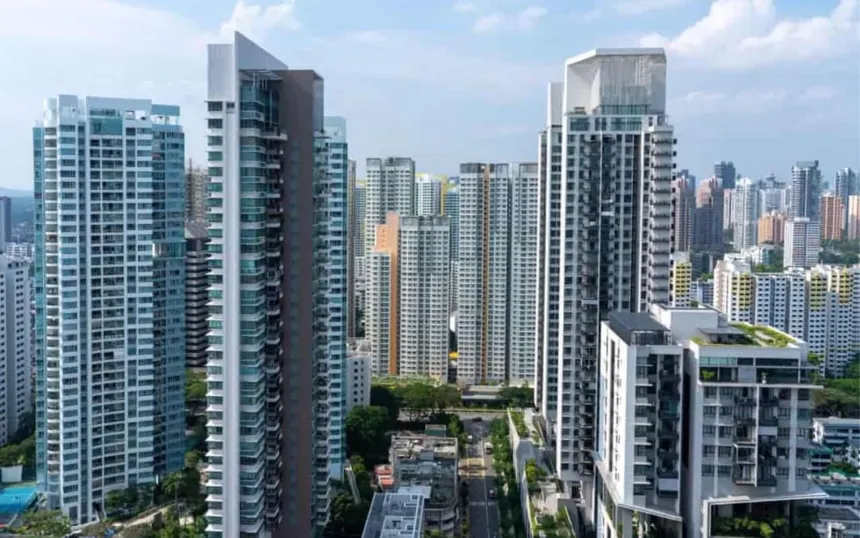
DLF vs Macrotech Developers (Lodha) 2026: Market Cap, ROE, Debt & Business Model Compared
In the real estate market of April 2026, the industry is witnessing a structural shift toward “premiumization” and “branded luxury.” As the Nifty Realty Index consolidates after a massive multi-year run, investors are closely weighing the safety and annuity-driven model of DLF against the aggressive sales growth and MMR dominance of Macrotech Developers.
DLF vs Macrotech Developers: Market Positioning and Geographic Footprint
Both companies have evolved into “regional monopolies” that are now trying to cross into each other’s territories.
DLF Ltd: The King of the North
DLF remains the largest developer in India by market capitalization (approx. ₹1.78 Lakh Cr in 2026). Its strength lies in Gurugram, where it has developed entire ecosystems. In FY26, DLF’s sales bookings doubled to over ₹15,000 crore in the first half alone, fueled by “super-luxury” launches that sell out in days.
Macrotech Developers: The Mumbai Powerhouse
Lodha (Macrotech) is the volume leader in India’s most expensive real estate market—the MMR. While its market cap is lower (approx. ₹85,000 Cr), it often reports higher total sales volumes than DLF. In 2026, Macrotech has successfully diversified into Pune and Bengaluru, reducing its “single-city” risk.
DLF vs Macrotech Developers: Financial Metrics – A 2026 Snapshot
The following table summarizes the key financial standing of both companies based on the March 2026 quarterly updates:
| Metric (approx.) | DLF Ltd | Macrotech Developers (Lodha) |
| Current Market Cap | ₹1,78,000 Cr | ₹85,500 Cr |
| Trailing P/E Ratio | 42x | 29.5x |
| Debt-to-Equity | ~0.10 (Near Debt-Free) | 0.41 (Significantly Reduced) |
| Return on Equity (ROE) | ~10.6% | ~14.6% |
| Net Profit Margin | ~33.7% | ~20.1% |
| Sales Growth (1-Yr) | ~38% | ~34% |
DLF vs Macrotech Developers: The Business Model – Annuity vs. Sales
The biggest difference between these two giants lies in how they generate cash.
The DLF “Annuity” Engine
DLF owns a massive portfolio of office and retail spaces (malls and cyber hubs) through its arm DCCDL. This generates over ₹4,000 crore in annual rental income. This “annuity” income makes DLF much safer during a real estate downturn because they don’t rely solely on selling flats to pay the bills.
The Macrotech “Sales” Machine
Macrotech is primarily a “residential-first” player. Their focus is on rapid construction and high velocity of sales. They are currently the leaders in the affordable and mid-income segments in Mumbai, though they are aggressively moving into luxury. In 2026, they have maintained a high ROE of 14.6%, which is superior to DLF’s, showing they use their capital more efficiently to generate profit.
Key Risks in 2026
Risks of DLF
- Geographic Concentration: Over 80% of DLF’s residential value is tied to the NCR/Gurugram region. Any local regulatory change or oversupply in Gurugram could hit them hard.
- Valuation: Trading at a P/E of 42x, the stock is considered “expensive” compared to the sector average.
Risks of Macrotech
- Inventory Debt: Although they have reduced debt significantly by 2026, they still carry more leverage than DLF.
- MMR Saturation: High competition from players like Oberoi Realty and Godrej Properties in the Mumbai market puts pressure on their profit margins.
Also read about Stocks With Highest ROCE
Strategic Outlook for 2027
As we look toward FY27, both developers have distinct roadmaps:
- DLF is focusing on its ₹80,000 crore “Super Luxury” launch pipeline, aiming to create ultra-high-margin residential projects while expanding its Cyber City commercial footprint.
- Macrotech is focusing on its “Capital Light” growth model, where they partner with land owners instead of buying land outright, allowing them to expand across India without increasing debt.
Frequently Asked Questions(FAQ)
Who has more debt, DLF or Macrotech?
Macrotech (Lodha) has more debt with a Debt-to-Equity ratio of 0.41. DLF is practically debt-free on its residential side and maintains a very healthy balance sheet even in its commercial arm.
Which stock has given better returns in the last 3 years?
As of April 2026, Macrotech Developers has slightly outperformed DLF in terms of stock price percentage gains, primarily due to its faster debt reduction and expansion into newer cities like Bengaluru.
Does DLF own the malls it builds?
Yes. DLF retains ownership of most of its commercial assets (like DLF Mall of India and CyberHub) and earns monthly rent from them, which is a major part of its “annuity” business model.
Conclusion
In 2026, the choice between DLF and Macrotech is a choice between Stability and Growth. DLF is the defensive, near-debt-free giant with a massive rental income backstop, making it ideal for conservative investors. Macrotech Developers is the high-efficiency growth play with a better ROE and presence in the high-ticket Mumbai market, making it attractive for those seeking aggressive wealth creation. Both remain “Buy” rated by major brokerages in 2026, provided they can manage the rising costs of construction and potential interest rate shifts.
Disclaimer: The views expressed are for informational purposes only and do not constitute financial advice. Investing in stocks and IPOs involves significant risk.
forgeup.in is not liable for any financial losses. Always consult a certified investment advisor before making any decisions.