
The Indian fertilizer sector is undergoing its most significant technological transformation since the Green Revolution. With India’s market capitalization holding firm above $5.5 trillion, the focus has shifted from “Volume” to “Precision.” For the market participants, the fertilizer sector is no longer just a “subsidy play” – it is a high-tech “Bio-Agri” industry.
The current market vibe is defined by the April 2026 Nano-Urea Mandate. The government has officially prioritized natural gas supply to the sector, categorizing it under “Priority Sector-2” via the Natural Gas (Supply Regulation) Order, 2026. While this ensures production continuity, the overnight spike in Brent Crude to $107 per barrel is creating a “Feedstock Headache” for traditional nitrogen-based producers.
Best Fertilizer Stocks in India 2026: Complete Guide
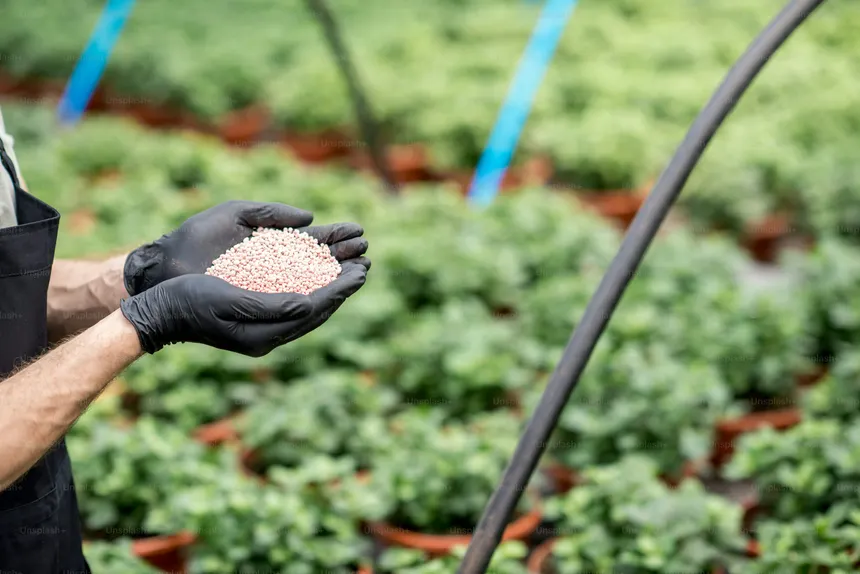
The Feedstock Dilemma: $107 Oil and Natural Gas Pricing
The profitability of a fertilizer plant in 2026 is a direct function of energy costs and government policy.
- Natural Gas Priority: To insulate farmers from the “Trump-Iran” volatility, the Ministry of Petroleum has mandated that 70% of natural gas supplies be maintained for fertilizer units. This has led to a relief rally in stocks like RCF and FACT, which surged up to 11% in mid-March.
- The Subsidy Shield: For the financial year 2026-27 (FY27), the government has currently budgeted ₹170,799 crore for fertilizer subsidies. However, officials warn that if crude stays above $100 and the Rupee weakens further, this bill could rise by another ₹15,000 crore.
- The Rupee Impact: With the Rupee at 93.19, the cost of importing Rock Phosphate and Potash has surged. Companies like Coromandel International are feeling the pinch on their “Complex Fertilizer” margins, even as their “Crop Protection” segment thrives.
Why is “Nano-Technology” the New Market Value Driver?
In early 2026, the “Old School” fertilizer giants are being re-rated based on their Nano-Urea and Nano-DAP adoption rates.
- Efficiency Gains: One 500ml bottle of Nano-Urea effectively replaces a 45kg bag of conventional urea. This reduces logistics costs significantly—a massive “Hidden Profit” for companies with strong distribution networks. Between April and January 2026, sales of Nano Urea hit 182.50 lakh bottles.
- The Murugappa Strategy: Coromandel International has launched the “Gromor Gram” initiative across 101 villages in 12 states. By integrating its “Nutri Connect” app and agri-drone spraying services, the company is moving from selling “bags” to selling “yields.”
- The “Vibe Coding” Application: In 2026, smart factories use Agentic AI to optimize nutrient release. A plant manager might prompt: “Adjust the liquid nitrogen consistency to ensure maximum foliar absorption based on the current heatwave in Vidarbha.” This digital agility is driving a “Tech-Premium” in stock valuations.
The 2026 Fertilizer Leaderboard (Top Picks)
| Company | 2026 Market Catalyst | Strategy “Vibe” | Current P/B Ratio |
| Coromandel International | 12-state “Gromor Gram” expansion | Ag-Tech Leader | 3.4 |
| Chambal Fertilisers | Natural Gas priority & Crop Protection focus | Diversified Growth | 2.1 |
| FACT (PSU) | Rebound from 52-week lows; 11% intraday surge | Operational Turnaround | 4.8 |
| National Fertilizers (NFL) | Weekly outperformance (+2.28%) vs Sensex | Value Recovery | 1.8 |
Will “Green Ammonia” Redefine the Sector’s Future?
By April 2026, the National Green Hydrogen Mission has started delivering results for the fertilizer industry as a way to escape the “Crude Oil Trap.”
- Decoupling from Oil: Massive inventories are being built (Urea stocks are at 61.51 LMT, higher than last year) to insulate against Middle East shocks. However, the long-term solution being piloted by firms like GSFC and GNFC is “Green Ammonia,” which uses renewable power to split water.
- ESG Inflows: In the 2026 market, companies that reduce their dependence on imported LNG are attracting massive ESG funds. This is helping “Green Fertilizer” stocks maintain higher Market Values even when the broader Nifty is volatile.
The “Drone-as-a-Service” Revenue Stream
A new segment has emerged in the 2026 fertilizer landscape: Agricultural Extension Services.
- Agri-Drones: Coromandel is now a major player in drone spraying. This “Service Revenue” is high-margin and doesn’t depend on the price of natural gas.
- Leaf Testing: Using AI-powered handheld devices, representatives in “Gromor Gram” villages provide real-time leaf and soil testing. This “Precision Vibe” ensures that farmers only buy the specific nutrients they need, reducing the total subsidy burden for the government.
5-Point Checklist for the April 2026 Fertilizer Investor
- Monitor “Natural Gas Priority” Compliance: Ensure the company is utilizing its 70% gas quota exclusively for fertilizer production as per the 2026 Order.
- Analyze the “Industrial Chemical” Mix: Companies like GNFC that derive significant revenue from industrial chemicals (like Methanol) may face margin pressure if oil stays at $107, as these are not covered by subsidies.
- Check the “Inventory Status”: With Urea stocks at a robust 61.51 LMT, the risk of a “Shortage Panic” for the Kharif season is low, which might limit the speculative upside in some stocks.
- Verify “Nano-Urea” Sales Growth: Follow the PIB data for bottle sales. If a company is lagging in the shift to Nano, its long-term Intrinsic Value is compromised.
- Watch the “Rupee-Dollar” Level: At 93.19, the import cost for DAP is rising. Look for companies with strong domestic manufacturing of complex fertilizers to avoid “Forex Erosion.”
Also read about Chemical Stocks 2026
Common Myth: “Fertilizer Stocks Only Move with the Monsoon”
In the old market, this was true. The 2026 Reality: Monsoon is still a factor, but Gas Pricing and Nano-Adoption are now the primary drivers. A fertilizer company with a poor monsoon but high Nano-Urea sales and steady gas priority will outperform a traditional player with a good monsoon but high LNG costs.
Final Thoughts: The Nutrient Alpha
The Indian fertilizer sector in 2026 is at the heart of the “Food Security” and “Tech-Agri” convergence. While the $107 oil spike and the Rupee at 93.19 create short-term “Margin Noise,” the structural shift toward Nano-Technology and Priority Gas Supply provides a long-term runway.
For the investors, the strategy is to move away from “Pure Urea” players and focus on “Nutrient Innovators” like Coromandel and Chambal who are digitizing the Indian farm.
FAQ: Best Fertilizer Stocks in India 2026
1. Why did NFL and FACT surge up to 11% in mid-March?
This was a direct reaction to the Natural Gas (Supply Regulation) Order, 2026. The government’s decision to prioritize gas supply for fertilizer plants at 70% of their average consumption provided a massive “Operational Safety” signal to investors who were worried about high LNG prices.
2. Is Nano Urea really better than traditional Urea?
In 2026, the data says yes. With 90% nutrient absorption compared to 30-40% for granular urea, Nano Urea is more efficient. For an investor, it means lower logistics costs (one small bottle vs one heavy bag) and a higher “Tech-Margin.”
3. What is the impact of the Middle East conflict on DAP prices?
India sources roughly 30% of its fertilizer needs from imports, primarily from the Middle East. Disrupted supply routes and higher shipping costs have pushed global DAP prices up by over $100 per tonne, which is why the domestic subsidy bill is under pressure in FY27.
4. Can I get “Dividends” in fertilizer stocks?
Yes. Companies like Chambal Fertilisers and GNFC have a history of steady payouts. In 2026, if a company has high “Nano-Sales” and low debt, its dividend capacity is likely to increase as it moves toward a more “Asset-Light” service model.
Disclaimer: The views expressed are for informational purposes only and do not constitute financial advice. Investing in stocks and IPOs involves significant risk.
forgeup.in is not liable for any financial losses. Always consult a certified investment advisor before making any decisions.