
Paytm, the digital payments giant, has put its shares in the spotlight as its board is set to meet on Monday, July 20, 2026, to consider a first-ever bonus share issue alongside its June quarter (Q1 FY27) results. This potential move is a significant development for the company and its over 7.5 lakh retail investors, especially after Paytm reported its maiden full-year profit in FY26.
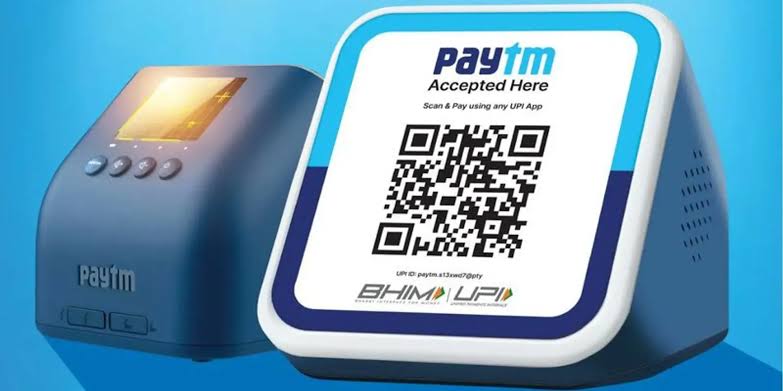
Quick Highlights: What Happened on July 16, 2026
- Board Meeting Scheduled: Paytm’s board will convene on July 20, 2026, to consider a bonus share issue and approve Q1 FY27 financial results.
- First-Ever Bonus Issue: If approved, this would mark Paytm’s maiden bonus issue since its listing in 2021.
- Retail Investor Focus: Over 7.5 lakh individual investors, holding shares up to Rs 2 lakh, are keenly watching this development.
- Financial Turnaround: The consideration follows Paytm’s achievement of its first full-year profit of Rs 552 crore in FY26.
- Increased Domestic Ownership: Domestic shareholding in Paytm rose to approximately 51.6% in the quarter ended June 30, 2026.
Key Market Data — July 16, 2026
| Metric | Value (as of July 16, 2026) | Change |
|---|---|---|
| One 97 Communications Ltd (PAYTM) | Rs 1372.40 | +Rs 4.40 (+0.32%) |
| 52-Week High | Rs 1407.00 | N/A |
| 52-Week Low | Rs 930.60 | N/A |
| Market Cap | Rs 86,896.04 Cr | N/A |
| Volume | Data unavailable | N/A |
Why It Happened: The Real Story Behind July 16, 2026’s Move
While the news of Paytm considering a bonus issue is widely reported, many retail investors might wonder about the underlying reasons for such a move, especially since it’s the company’s first. This decision reflects Paytm’s improved financial health and a strategic effort to reward shareholders without impacting cash reserves.
1. A Landmark Financial Turnaround?
Paytm has achieved a significant milestone by reporting its first full-year profit of Rs 552 crore in FY26, a substantial improvement from a loss of Rs 663 crore a year earlier. This financial turnaround, coupled with a positive EBITDA of Rs 502 crore, provides the company with the flexibility to consider non-cash rewards like bonus shares.
2. Rewarding a Growing Domestic Shareholder Base?
The proposal for a bonus issue comes at a time when domestic ownership in Paytm has been steadily rising. Domestic investors held around 51.6% in the company as of June 30, 2026, up from 50.3% in the previous quarter. This increase, particularly by mutual funds, which raised their collective stake to 17.9%, signals growing confidence from Indian investors. A bonus issue is a way to reward these loyal shareholders.
3. Enhancing Liquidity and Affordability?
Issuing bonus shares increases the total number of outstanding shares, which typically leads to a proportionate reduction in the share price. This makes the stock more affordable for new retail investors and can improve trading liquidity in the market. By doing so, Paytm can broaden its shareholder base without diluting existing shareholder value in the long run.
The Broader Picture: What This Means for Indian Markets
Paytm’s consideration of a bonus issue underscores a growing trend among Indian companies to reward shareholders through non-cash methods, especially after achieving profitability. This move by a prominent fintech player like Paytm could set a precedent for other growth-oriented companies. The increased domestic institutional ownership in Paytm, with mutual funds leading the charge, also highlights the rising confidence of Indian investors in the country’s digital economy and homegrown tech firms. This trend suggests a maturing market where companies are balancing growth ambitions with shareholder returns.
What the Data Shows for Investors
The data indicates that Paytm’s board meeting on July 20, 2026, is a key event for investors. The company’s recent profitability in FY26 provides a strong foundation for considering a bonus issue. NSE figures indicate that the stock closed at Rs 1372.40 on July 16, 2026, reflecting a minor gain. This pattern suggests that the market is anticipating the board’s decision. It’s important to remember that while a bonus issue increases the number of shares an investor holds, the total value of their investment typically remains the same immediately after the adjustment. The cost of acquisition for bonus shares is considered zero for capital gains tax purposes when they are eventually sold.
Frequently Asked Questions
1. What is a bonus issue and how does it affect my shares?
A bonus issue involves a company giving additional shares to its existing shareholders at no extra cost, funded from its accumulated reserves. For example, if a company announces a 1:1 bonus issue, you receive one free share for every share you already own. While the number of shares you hold increases, the share price typically adjusts downwards proportionally, meaning your total investment value remains largely unchanged immediately after the issue.
2. Are bonus shares taxable in India?
Bonus shares are not taxed when you receive them. However, they become taxable when you sell them. For capital gains calculations, the acquisition cost of bonus shares is considered zero. The holding period for determining short-term or long-term capital gains begins from the bonus allotment date.
3. When will Paytm announce the bonus ratio and record date?
If the board approves the bonus issue on July 20, 2026, Paytm will subsequently announce the bonus ratio and a record date. Shareholders holding Paytm stock on or before the record date will be eligible for the bonus allotment.
4. Does a bonus issue mean the company is short on cash for dividends?
Not necessarily. Companies issue bonus shares to reward shareholders while preserving cash reserves for business operations or future growth. It’s an alternative to cash dividends and can also signal financial strength by capitalising accumulated profits.
The Bottom Line
Paytm’s board meeting on July 20, 2026, to consider its first-ever bonus issue is a significant event, reflecting the company’s improved financial health and a desire to reward its growing domestic investor base. Retail investors now understand that while a bonus issue increases share count and improves liquidity, the immediate impact on total investment value is neutral, and tax implications arise only upon selling the bonus shares. This move highlights Paytm’s strategic shift towards shareholder value creation after achieving profitability.
Disclaimer: The views expressed are for informational purposes only and do not constitute financial advice. Investing in stocks and IPOs involves significant risk. forgeup.in is not liable for any financial losses. Always consult a certified investment advisor before making any decisions.