
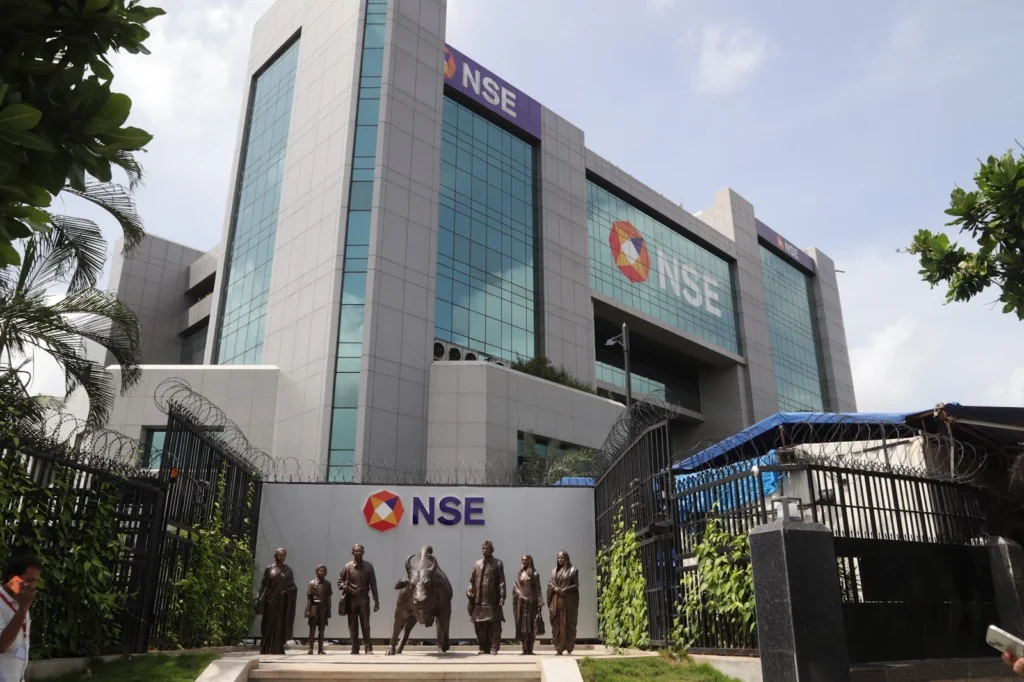
The National Stock Exchange (NSE) has made a significant move today, June 22, 2026, by signing a Memorandum of Understanding (MoU) with the Bharat Metal Exchange (BME). This partnership aims to supercharge India’s non-ferrous metal derivatives market. For you, the retail investor, this isn’t just a handshake between two entities; it’s about creating a more robust and transparent environment for managing risks in metals like copper, aluminium, and zinc.
Quick Highlights: What Happened on June 22, 2026
- MoU Signed: NSE and BME formally partnered on June 22, 2026, to develop the non-ferrous metal derivatives market.
- Focus Areas: The collaboration will boost awareness, adoption, and product development in non-ferrous metal derivatives.
- Risk Management: The goal is to improve price risk management for stakeholders across the metals value chain.
- Market Growth: India is a major consumer of industrial metals, with its non-ferrous metals market projected to reach USD 62.97 Billion by 2034.
- BME’s Role: BME brings over nine decades of expertise in the physical non-ferrous metals trade to this partnership.
Key Market Data — June 22, 2026
| Metric | Value (as of June 22, 2026) | Change |
|---|---|---|
| NIFTY METAL | Rs 13,020.80 | Up 0.08% |
| 52-Week High | Rs 13,931.35 | Touched within the last year |
| 52-Week Low | Rs 8,997.35 | Touched within the last year |
| Market Cap | Data unavailable | Data unavailable |
| Volume | Data unavailable | Data unavailable |
Why It Happened: The Real Story Behind June 22, 2026’s Move
Many reports have covered the NSE-BME MoU, but few have clearly explained why this specific partnership is so important for the everyday investor and the broader market. This collaboration goes beyond a simple agreement; it addresses a critical need for better tools to handle the ups and downs of metal prices in India.
1. Bridging the Gap Between Physical and Financial Markets?
The Bharat Metal Exchange (BME), formerly known as Bombay Metal Exchange, has a rich history of over nine decades in the physical non-ferrous metals trade. This means BME deeply understands the real-world challenges faced by producers, consumers, and traders of metals like copper, aluminium, zinc, lead, and nickel. By partnering with NSE, which provides robust derivatives market infrastructure, the MoU aims to bridge the gap between these physical markets and financial hedging tools. This is why Sushil R. Kothari, President of BME, stated that the partnership would help increase awareness of risk management tools and encourage broader participation across the industry.
2. Managing Volatility in a Growing Market?
India is one of the world’s largest consumers of industrial metals. The demand for non-ferrous metals is surging due to growth in manufacturing, infrastructure development, renewable energy, and electric mobility sectors. This increasing demand, however, comes with significant price volatility. For example, the Indian non-ferrous metals market was valued at USD 40.72 Billion in 2025 and is projected to grow to USD 62.97 Billion by 2034, a CAGR of 4.81%. This substantial growth means that businesses and investors need transparent and efficient ways to manage price risks. The MoU directly addresses this by focusing on developing new products and promoting exchange-traded derivatives as crucial risk management tools.
3. Expanding Reach and Awareness for Better Hedging?
The collaboration between NSE and BME will involve joint industry outreach initiatives. This means they will actively work to educate a wider range of participants – from small producers to large industrial consumers – about how to use non-ferrous metal derivatives. For you, this translates into a potentially more liquid and efficient market where price discovery is clearer, and hedging options are more accessible. Sriram Krishnan, Chief Business Development Officer of NSE, highlighted that this collaboration aims to deepen awareness and participation, helping businesses manage commodity price risks more effectively.
The Broader Picture: What This Means for Indian Markets
This MoU signifies a maturing of India’s commodity derivatives market, particularly in the non-ferrous metals segment. The partnership between NSE, a leading exchange with strong infrastructure, and BME, with its deep industry roots, is a strategic move to enhance market depth and liquidity. This is important because a well-developed derivatives market allows businesses to hedge against price fluctuations, which can lead to more stable operations and better long-term planning.
For the broader Indian economy, this initiative supports key government programs like ‘Make in India’ and the Production Linked Incentive (PLI) scheme, which rely heavily on a stable supply and pricing of industrial metals. As India continues its infrastructure push and transitions towards green energy and electric vehicles, the demand for non-ferrous metals like copper and aluminium will only increase. A robust derivatives market helps absorb some of the volatility associated with these essential raw materials.
What the Data Shows for Investors
The NIFTY METAL index closed slightly up today, at Rs 13,020.80, showing a modest gain of 0.08%. This indicates a relatively stable day for the sector, although the broader market saw some sectoral gains. The 52-week high for the NIFTY METAL index stands at Rs 13,931.35, while its 52-week low is Rs 8,997.35. This range highlights the inherent volatility in the metals sector over a year.
The data suggests that while the non-ferrous metals market in India is set for significant growth, projected to reach USD 62.97 Billion by 2034, managing price risk remains a key concern. The collaboration between NSE and BME aims to provide more sophisticated tools for this. This pattern suggests that investors interested in the metals sector should pay close attention to the development of these derivative products, as they can offer new ways to manage exposure to price swings without directly owning the physical commodity.
Frequently Asked Questions
1. What are non-ferrous metal derivatives?
Non-ferrous metal derivatives are financial contracts whose value is derived from the price of underlying non-ferrous metals like copper, aluminium, zinc, lead, and nickel. These instruments, such as futures and options, allow market participants to manage price risk without physically buying or selling the metals.
2. Why is the NSE-BME partnership important for retail investors?
This partnership is important because it aims to make the non-ferrous metal derivatives market more accessible and efficient. For retail investors, this could mean better opportunities to understand and potentially use hedging tools to manage the price volatility of metal-related investments in their portfolios, as the market becomes more transparent and liquid.
3. Has India had non-ferrous metal derivatives before this MoU?
Yes, India has had non-ferrous metal derivatives. The NSE itself commenced trading in commodity derivatives, including base metals, in October 2018. This MoU is not about introducing them for the first time, but rather about boosting their development, awareness, and adoption, and strengthening market participation through collaboration.
4. How does this MoU help manage price volatility in metals?
The MoU helps manage price volatility by combining NSE’s market infrastructure with BME’s deep industry knowledge to develop new derivative products and promote their use as risk management tools. This allows producers, consumers, and traders to lock in prices for future transactions, reducing their exposure to sudden price swings in the physical market.
The Bottom Line
Today’s Memorandum of Understanding between the National Stock Exchange and the Bharat Metal Exchange is a significant step towards a more mature and resilient non-ferrous metal derivatives market in India. The data clearly shows a growing demand for these industrial metals and a corresponding need for effective risk management tools. This partnership aims to bridge the gap between physical metal trade and financial hedging, ultimately creating a more transparent and efficient ecosystem for all participants, including you, the retail investor.
Disclaimer: The views expressed are for informational purposes only and do not constitute financial advice. Investing in stocks and IPOs involves significant risk. forgeup.in is not liable for any financial losses. Always consult a certified investment advisor before making any decisions.