
HDFC Bank shares plunged nearly 5% today, July 20, 2026, wiping out approximately Rs 70,000 crore from investor wealth. This sharp decline followed the bank’s Q1 FY27 earnings announcement over the weekend, which, despite showing year-on-year growth in profit and Net Interest Income (NII), fell short of market expectations. However, even with this significant fall, leading global brokerages like Jefferies and Nomura are maintaining their bullish outlook, seeing potential upsides for the stock.
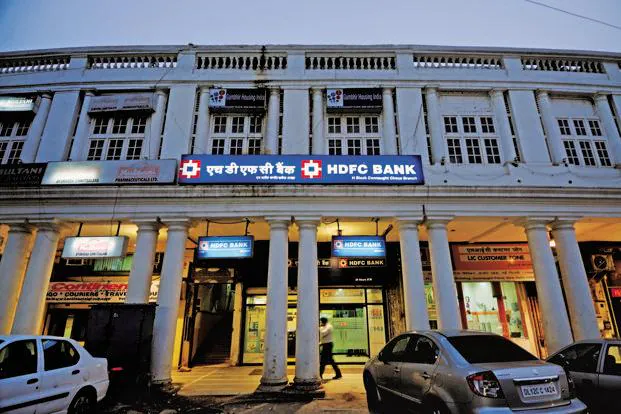
Quick Highlights: What Happened on July 20, 2026
- Share Price Plunge: HDFC Bank shares fell by 4.65% today, closing at Rs 781.50 on the NSE.
- Wealth Erosion: The market capitalization of HDFC Bank decreased by roughly Rs 70,000 crore.
- Q1 FY27 Earnings Miss: The bank’s net profit of Rs 19,059.72 crore and NII of Rs 33,535.95 crore missed analyst estimates.
- Margin Pressure: Net Interest Margin (NIM) narrowed to 3.26%, its lowest on record, a key disappointment for investors.
- Brokerage Optimism: Despite the results, Jefferies, Nomura, and other brokerages maintain ‘Buy’ or ‘Add’ ratings with target prices significantly above current levels.
Key Market Data — July 20, 2026
| Metric | Value (as of July 20, 2026) | Change |
|---|---|---|
| HDFC Bank | Rs 781.50 | Down 4.65% |
| 52-Week High | Rs 1,020 | Hit on [data unavailable] |
| 52-Week Low | Rs 727 | Hit on [data unavailable] |
| Market Cap | Rs 12,03,613.75 Cr | Post today’s fall |
| Volume | 7.50 M shares | NSE + BSE |
Why It Happened: The Real Story Behind July 20, 2026’s Move
While the immediate reaction to HDFC Bank’s Q1 FY27 results was negative, leading to today’s share price crash, it’s important to understand the specific reasons for this market disappointment and why some analysts still see value. The core issue wasn’t a lack of growth, but rather growth that didn’t meet elevated expectations, particularly concerning profitability metrics.
1. Net Interest Margin (NIM) Contraction Disappointed Investors?
The primary driver behind today’s sell-off was the bank’s Net Interest Margin (NIM) narrowing to 3.26% in Q1 FY27, down from 3.38% in the previous quarter. This is reportedly its lowest level on record. This contraction was mainly due to lower asset yields, likely influenced by a higher share of corporate lending, and elevated wholesale funding costs. Investors closely watch NIM as it reflects a bank’s core profitability.
2. Earnings Missed High Analyst Expectations?
Although HDFC Bank reported a 5% year-on-year rise in standalone net profit to Rs 19,059.72 crore and a 6.7% increase in Net Interest Income (NII) to Rs 33,535.95 crore, these figures fell short of analyst estimates. The market had higher expectations for India’s largest private sector lender, and even a slight miss can trigger a significant price correction.
3. Funding Mix and Loan Growth Challenges?
The bank’s loan growth was largely driven by the SME and corporate segments, while retail lending remained relatively subdued. This shift in loan mix, combined with CASA (Current Account Savings Account) growth lagging behind overall loan growth, has put pressure on funding costs. This means the bank is finding it harder to attract cheaper deposits, which impacts its ability to improve margins.
The Broader Picture: What This Means for Indian Markets
HDFC Bank’s performance today reflects a broader market sensitivity to banking sector profitability, especially Net Interest Margins. When a heavyweight like HDFC Bank sees such a correction, it often impacts the entire Nifty Bank index, which was down nearly 1.5% today. This highlights that while loan growth remains healthy across the sector, the ability of banks to manage their funding costs and maintain strong margins is crucial for investor confidence. The market is increasingly scrutinizing the quality of earnings, not just headline profit numbers.
What the Data Shows for Investors
The data clearly shows that HDFC Bank’s Q1 FY27 results, particularly the NIM contraction and the earnings miss, led to a significant negative market reaction today. The stock’s fall of 4.65% and the Rs 70,000 crore market cap erosion are direct consequences of this disappointment. However, it’s notable that despite this, several prominent brokerages like Jefferies and Nomura maintain ‘Buy’ ratings with target prices well above the current Rs 781.50. This pattern suggests that these analysts believe the underlying fundamentals of the bank remain strong, and they anticipate a gradual recovery in margins as high-cost borrowings mature and the bank optimizes its portfolio mix. The bank’s asset quality also remains largely stable, which is a positive sign.
Frequently Asked Questions
1. What is Net Interest Margin (NIM) and why is it important for banks?
Net Interest Margin (NIM) is a key measure of a bank’s profitability, representing the difference between the interest income a bank earns on its loans and investments and the interest it pays on deposits and borrowings. A higher NIM generally indicates better profitability. For HDFC Bank, the decline to 3.26% in Q1 FY27 was a concern because it suggests pressure on its core earning ability.
2. Why are brokerages still bullish on HDFC Bank despite the share price fall?
Brokerages like Jefferies and Nomura remain bullish because they see the current challenges as temporary. They believe HDFC Bank’s strong balance sheet, robust deposit growth (14.7% year-on-year), and healthy asset quality will help it recover. They also expect NIMs to improve over the medium term as high-cost borrowings mature and the bank focuses on increasing its retail loan mix and CASA deposits.
3. What is the significance of the Rs 70,000 crore market cap erosion?
The Rs 70,000 crore market cap erosion signifies a substantial loss in investor wealth for HDFC Bank shareholders today. It reflects the market’s immediate negative sentiment and the scale of disappointment following the Q1 FY27 results. For a retail investor, this means the value of their HDFC Bank holdings decreased significantly in a single trading session.
4. Does a fall in share price mean the company’s fundamentals are weak?
Not necessarily. While a sharp fall like today’s indicates market disappointment with recent results, it doesn’t always mean the company’s long-term fundamentals are weak. In HDFC Bank’s case, analysts are still positive about its underlying strength, asset quality, and future growth potential, even while acknowledging the short-term margin pressures.
The Bottom Line
HDFC Bank’s nearly 5% crash today, wiping out Rs 70,000 crore, was a direct reaction to its Q1 FY27 earnings missing analyst expectations, primarily due to a contraction in Net Interest Margin. However, the data also shows that leading brokerages maintain a positive long-term view, citing the bank’s strong fundamentals and anticipated margin recovery. This means that while the immediate market sentiment is negative, the underlying business strength is still recognized by many experts.
Disclaimer: The views expressed are for informational purposes only and do not constitute financial advice. Investing in stocks and IPOs involves significant risk. forgeup.in is not liable for any financial losses. Always consult a certified investment advisor before making any decisions.