
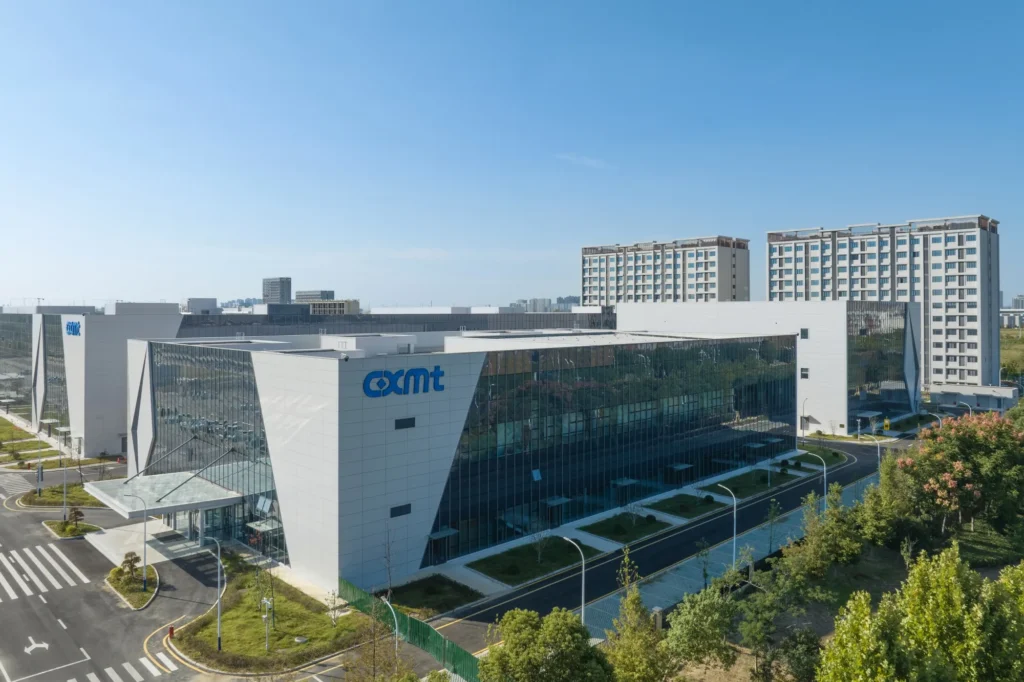
ChangXin Memory Technologies (CXMT), a major Chinese chipmaker, is making its highly anticipated debut on the Shanghai STAR Market today, July 27, 2026. This initial public offering (IPO) is set to be Asia’s largest of the year, aiming to raise a staggering $10 billion (approximately Rs 83,000 crore). While you can’t directly invest in this Chinese giant from India, its listing has significant implications for the global technology landscape, and by extension, for your Indian stock market investments.
Quick Highlights: What Happened on July 27, 2026
- Asia’s Biggest IPO: CXMT’s debut is projected to be Asia’s largest IPO of 2026, targeting $10 billion.
- Strategic Importance: The listing is crucial for China’s goal of achieving self-sufficiency in semiconductor manufacturing.
- Global Chip Competition: CXMT’s expansion could intensify competition in the global Dynamic Random-Access Memory (DRAM) market.
- US-China Tech Tensions: The IPO highlights China’s response to ongoing technology restrictions imposed by the United States.
- Indirect Impact on India: Shifts in the global semiconductor supply chain can influence India’s nascent chip manufacturing ambitions and tech sector.
Key Market Data — July 27, 2026
| Metric | Value (as of July 27, 2026) | Change |
|---|---|---|
| CXMT IPO Valuation | Approx. $10 Billion (Rs 83,000 Cr) | N/A (IPO Debut) |
| CXMT Last Traded Price | Data unavailable | N/A (IPO Debut) |
| 52-Week High | Data unavailable | N/A (IPO Debut) |
| 52-Week Low | Data unavailable | N/A (IPO Debut) |
| Market Cap | Data unavailable | N/A (IPO Debut) |
| Volume | Data unavailable | N/A (IPO Debut) |
Why It Happened: The Real Story Behind July 27, 2026’s Move
CXMT’s massive IPO today isn’t just about a company raising capital; it’s a geopolitical statement and a significant move in the global tech race. This is why it matters beyond China’s borders.
1. China’s Drive for Semiconductor Self-Sufficiency?
China has been aggressively pushing to reduce its reliance on foreign semiconductor technology, especially in light of increasing trade and technology restrictions from the United States. CXMT, as a leading domestic DRAM manufacturer, is at the forefront of this national strategy. This IPO provides substantial capital for CXMT to expand its production capacity and research and development, directly supporting China’s ambition to become self-reliant in critical chip technologies.
2. Intensifying Global Competition in Memory Chips?
The influx of capital into CXMT, facilitated by this IPO, means increased competition for established global memory chip giants. As CXMT scales up, it could put pressure on pricing and market share for players in South Korea, Taiwan, and the US. For Indian investors, this global competition can indirectly affect the valuations and growth prospects of Indian IT services companies that rely on global hardware supply chains, or even future Indian semiconductor ventures.
3. Geopolitical Implications and Supply Chain Shifts?
The timing of CXMT’s IPO, amidst ongoing US-China tech tensions, underscores China’s determination to build resilient domestic supply chains. This move could accelerate the trend of “decoupling” or diversification of tech supply chains globally. For India, which is also keen to establish its own semiconductor ecosystem through initiatives like the India Semiconductor Mission, these global shifts present both challenges and opportunities. India aims to attract global players, and a more diversified global supply chain could open doors for Indian participation.
The Broader Picture: What This Means for Indian Markets
The global semiconductor industry is a foundational pillar for almost every modern sector, from smartphones to electric vehicles and artificial intelligence. Therefore, a major event like CXMT’s IPO has ripple effects. For Indian markets, while direct investment in CXMT is not straightforward, the broader implications are worth noting.
Firstly, the intensified competition in memory chips could eventually lead to lower component costs, which might benefit Indian electronics manufacturers or companies that consume a lot of computing power. Secondly, China’s push for self-reliance could inspire and accelerate India’s own ambitions in semiconductor manufacturing. The Indian government is actively offering incentives to attract chip fabrication units, and the success or challenges faced by CXMT could offer valuable lessons. Lastly, the ongoing geopolitical tech rivalry means that global companies might look to diversify their manufacturing bases, potentially creating opportunities for India to attract more investment in its nascent semiconductor and electronics manufacturing sectors.
What the Data Shows for Investors
While specific price data for CXMT’s debut is not yet available, the sheer size of its IPO, targeting $10 billion, highlights the significant capital being poured into China’s domestic chip industry. This scale of investment underscores the strategic importance placed on semiconductor independence. The data from global market trends indicates a rebound in the semiconductor sector, driven by demand for AI and data centers. This suggests that the memory chip market, where CXMT operates, is a high-growth area. The move by CXMT, backed by such substantial funding, indicates a long-term commitment by China to reshape the global semiconductor landscape.
Frequently Asked Questions
1. What is CXMT and why is its IPO significant?
CXMT, or ChangXin Memory Technologies, is a leading Chinese manufacturer of Dynamic Random-Access Memory (DRAM) chips. Its IPO is significant because it is projected to be Asia’s largest in 2026, raising approximately $10 billion, and it represents a major step in China’s national strategy to achieve self-sufficiency in critical semiconductor technology amidst global tech tensions.
2. Can Indian retail investors directly invest in CXMT’s IPO?
No, Indian retail investors typically cannot directly invest in IPOs on the Shanghai STAR Market. Access to such markets is usually restricted to institutional investors or through specific international investment routes not commonly available to individual retail investors in India.
3. How does a Chinese chip IPO impact the global semiconductor market?
A large IPO like CXMT’s injects significant capital into a domestic player, enabling it to expand production and R&D. This can intensify competition in the global memory chip market, potentially affecting pricing and market share for established international players. It also signals a shift towards more diversified and localized supply chains globally.
4. What does this mean for India’s semiconductor ambitions?
CXMT’s IPO underscores the global race for semiconductor independence. For India, this means increased urgency and opportunity. India is actively working to build its own semiconductor ecosystem, and global supply chain diversification could lead to more investment and partnerships in India’s nascent chip manufacturing and design sectors.
The Bottom Line
CXMT’s $10 billion IPO today is more than just a financial event; it’s a powerful indicator of China’s strategic push for semiconductor self-reliance. While Indian investors cannot directly participate, the data shows that this move will intensify global chip competition and accelerate shifts in technology supply chains. Understanding these broader trends is crucial, as they can indirectly influence the performance of Indian tech companies and the development of India’s own semiconductor industry, impacting your portfolio in the long run.
Disclaimer: The views expressed are for informational purposes only and do not constitute financial advice. Investing in stocks and IPOs involves significant risk. forgeup.in is not liable for any financial losses. Always consult a certified investment advisor before making any decisions.