
Indian auto manufacturers delivered a strong performance in June 2026, with sales figures for key players like Maruti Suzuki and Bajaj Auto surpassing market estimates. This robust growth, driven by healthy domestic demand and a surge in exports, signals a positive outlook for the sector. For retail investors, understanding these numbers is crucial to gauge the underlying health of the industry.
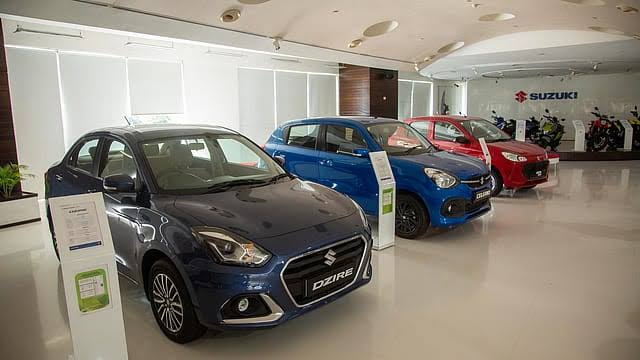
Quick Highlights: What Happened on July 02, 2026
- Maruti Suzuki’s Total Sales: India’s largest carmaker sold 200,390 units in June 2026, a 19.28% increase year-on-year.
- Bajaj Auto’s Total Sales: Bajaj Auto reported a 28% year-on-year surge in total sales to 463,202 units in June 2026, beating estimates.
- Maruti Domestic PV Growth: Domestic passenger vehicle sales for Maruti Suzuki climbed 23.78% to 147,187 units in June 2026.
- Bajaj Auto Export Boom: Bajaj Auto’s exports jumped 47% year-on-year to 253,365 units in June 2026.
- Overall PV Surge: Passenger vehicle sales across India surged 24.1% in June 2026 to nearly 4 lakh units.
Key Market Data — July 02, 2026
| Metric | Value (as of July 02, 2026) | Change |
|---|---|---|
| Maruti Suzuki | Rs 14,327.00 (July 01, 2026) | Data unavailable for July 02, 2026 |
| Bajaj Auto | Rs 9,975.00 | Up 133.00 points (1.36%) |
| Maruti Suzuki 52-Week High | Rs 17,370.00 | Highest point in the last year. |
| Maruti Suzuki 52-Week Low | Rs 12,201.00 | Lowest point in the last year. |
| Bajaj Auto 52-Week High | Rs 10,834.00 | Highest point in the last year. |
| Bajaj Auto 52-Week Low | Rs 7,858.00 | Lowest point in the last year. |
| Maruti Suzuki Market Cap | Rs 4,43,999.32 Cr | Combined valuation. |
| Bajaj Auto Market Cap | Rs 2,74,970 Cr | Combined valuation. |
| Maruti Suzuki Volume | Data unavailable | Data unavailable |
| Bajaj Auto Volume | Data unavailable | Data unavailable |
Why It Happened: The Real Story Behind July 02, 2026’s Move
June 2026 proved to be a strong month for the Indian auto sector, with sales figures for major players exceeding expectations. This positive momentum is a result of several factors, including sustained consumer demand, a robust recovery in exports, and strong performance in specific vehicle segments.
1. Resilient Domestic Demand and SUV Popularity?
Passenger vehicle sales, including cars and SUVs, saw massive demand in June 2026, with Maruti Suzuki’s domestic passenger vehicle sales rising nearly 24% year-on-year. This surge was largely driven by the continued popularity of SUVs and a rebound in entry-level cars, indicating resilient consumer appetite across different segments. Maruti Suzuki’s utility vehicle sales, for example, climbed 28.74% in June 2026.
2. Strong Export Recovery for Two-Wheelers?
Bajaj Auto’s impressive June performance was significantly boosted by a powerful recovery in its export segment. The company’s exports exploded by 47% year-on-year, reaching 253,365 units. This highlights the company’s successful execution in international markets, particularly across Africa and Latin America, reducing its dependence on domestic rural cycles.
3. Premiumization and EV Transition?
The Indian two-wheeler industry is witnessing a bifurcated recovery, with premium motorcycles and electric vehicles (EVs) outgrowing entry-level commuter bikes. Bajaj Auto’s Chetak e-scooter, for instance, captured a 22% retail market share in June 2026, contributing to the company’s cumulative milestone of 8 lakh electric two-wheeler sales. This shift towards premium and electric offerings is a key driver of growth.
The Broader Picture: What This Means for Indian Markets
The strong June auto sales figures paint a positive picture for the broader Indian economy. Robust vehicle sales often indicate healthy consumer sentiment and economic activity. The significant growth in passenger vehicles, especially SUVs, suggests that discretionary spending remains strong. Moreover, the impressive export performance by companies like Bajaj Auto points to improving global demand and the competitiveness of Indian manufacturers.
However, the market is not without its nuances. While premium and EV segments are thriving, some reports indicate weakness in entry-level rural demand for two-wheelers. Additionally, some automakers like Hyundai faced production setbacks due to a factory fire, impacting their overall sales for the month. This highlights that while the overall trend is positive, specific company and segment-level challenges can still exist. The auto sector’s performance often has a ripple effect on ancillary industries, suggesting potential benefits for auto-ancillary stocks as well.
What the Data Shows for Investors
The June 2026 auto sales data clearly indicates a period of strong growth for the Indian automotive sector, with Maruti Suzuki and Bajaj Auto leading the charge. Maruti Suzuki’s total sales crossing 2 lakh units and Bajaj Auto’s 28% year-on-year surge in sales, particularly in exports, demonstrate robust operational performance. This pattern suggests sustained demand and effective market strategies from these companies.
While June auto sales for Maruti Suzuki and Bajaj Auto have indeed surpassed estimates, and some reports have cited them among ICICI Securities’ top picks, specific, updated target prices from ICICI Securities directly linked to these June 2026 sales figures were not readily available at the time of writing. However, other analysts are also positive on the sector. For example, Gaurav Sharma of Globe Capital sees positive price action in the automobile space and has a target price of Rs 15,250 for Maruti Suzuki. This indicates a generally optimistic outlook from the analyst community on the auto sector’s prospects.
Frequently Asked Questions
1. How significant is the 28% sales jump for Bajaj Auto?
Bajaj Auto’s 28% year-on-year sales jump to 463,202 units in June 2026 is highly significant. It not only beat market estimates but was largely driven by a 47% surge in exports, showcasing the company’s strong international market presence and diversified strategy.
2. What does Maruti Suzuki’s 19.28% sales growth indicate?
Maruti Suzuki’s 19.28% year-on-year sales growth to 200,390 units in June 2026 indicates continued market leadership and strong domestic demand for passenger vehicles. The growth in its utility vehicle segment, up 28.74%, further highlights the company’s ability to capitalize on evolving consumer preferences.
3. Are electric vehicles (EVs) playing a big role in these sales figures?
Yes, electric vehicles are increasingly contributing to auto sales. For instance, Bajaj Auto’s Chetak e-scooter has gained significant market share, and the broader electric two-wheeler market is experiencing strong growth. Tata Motors also saw its electric vehicle sales jump 183% in June 2026.
4. What are the key risks for the auto sector despite strong sales?
Despite strong sales, key risks for the auto sector include potential slowdowns in rural domestic demand if monsoon distribution is uneven, fluctuations in commodity prices affecting raw material margins, and regulatory changes in EV subsidies. Global economic uncertainties can also impact export volumes.
The Bottom Line
June 2026 proved to be a robust month for the Indian auto sector, with Maruti Suzuki and Bajaj Auto delivering impressive sales figures that surpassed expectations. This strong performance, fueled by resilient domestic demand, a booming export market, and the growing adoption of EVs, suggests a healthy trajectory for these companies. Investors can understand that while global and domestic factors will continue to influence the market, the current data points to underlying strength in the auto industry.
Disclaimer: The views expressed are for informational purposes only and do not constitute financial advice. Investing in stocks and IPOs involves significant risk. forgeup.in is not liable for any financial losses. Always consult a certified investment advisor before making any decisions.