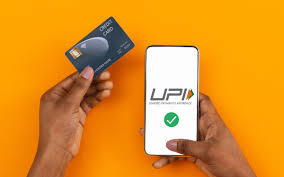
RuPay UPI Credit Cards let you pay with a credit line through UPI apps like PhonePe, Paytm, and BHIM, while traditional credit cards transact via card networks at POS/e-commerce using card numbers, chips, or tokenized details. The core difference is the UPI-first experience and merchant acceptance rails for RuPay UPI Credit Cards versus card-rail authorization for Visa/Mastercard/RuPay cards in the traditional flow.​ How they work RuPay UPI Credit Cards are linked to your UPI ID, so you “Pay by Credit” in UPI apps with 2FA (UPI PIN) and the transaction posts to your card statement like any credit purchase.​ Traditional credit cards use card credentials or tokenized cards at POS or online checkouts, authorized over card networks and settled through acquiring banks.​ Acceptance RuPay UPI Credit Cards are accepted at UPI QR and UPI intent-enabled merchants; acceptance depends on merchant category enablement and issuer settings in UPI apps.​ Traditional credit cards are accepted wherever the card network is supported (POS, e‑commerce, international merchants if card is enabled), independent of UPI.​ Fees and MDR UPI for consumers typically remains zero direct charge; MDR on RuPay UPI Credit Card transactions is governed by policy/issuer-merchant arrangements and does not alter the cardholder’s interest/fee schedule for revolving or late payments.​ Traditional credit cards follow standard MDR paid by merchants and may levy fees like annual charges, cash advance, late fees, and interest on revolved balances for cardholders.​ Rewards RuPay UPI Credit Cards can earn card rewards on eligible UPI merchant categories as defined by each issuer; some categories may be excluded or capped.​ Traditional credit cards earn rewards per their category multipliers (travel, dining, fuel) across POS and online, with broader historical coverage.​ Limits and controls RuPay UPI Credit Cards expose UPI-specific controls in the app (enable/disable UPI credit, set UPI limits) on top of normal card controls like tap-to-pay or international usage.​ Traditional credit cards are managed via issuer/mobile banking controls for channels, limits, and tokenization, without UPI toggles.​ Security RuPay UPI Credit uses UPI’s push authorization with PIN plus card issuer risk checks, reducing exposure of full card numbers during routine QR payments.​ Traditional credit cards rely on EMV chip, OTP/3DS for e‑commerce, and network tokenization to protect PAN at merchants and in stored credentials.​ Cross-border and offline RuPay UPI Credit Card usage is primarily domestic via UPI rails; cross-border UPI is limited to select corridors and relies on bilateral enablement, which may not mirror full card acceptance abroad.​ Traditional cards support international POS/e‑commerce where the network operates, with currency conversion and dynamic spend controls.​ When to pick which Choose RuPay UPI Credit if most spending is at domestic QR-enabled merchants and you prefer UPI apps for checkout, bill-splitting, and invoice trails.​ Choose traditional credit cards for frequent international travel, broad online subscriptions, and merchant categories where card rails deliver better rewards or acceptance.​ Comparison Feature RuPay UPI Credit Card Traditional Credit Cards Payment rail UPI apps with credit line posting to card statement ​ Card network via POS/e‑commerce/tokenization ​ Acceptance UPI QR and intent-enabled domestic merchants; corridor-based cross-border limited ​ Global acceptance per network (POS/online) ​ Fees to user Same card interest/fees; UPI app usage typically no extra consumer charge ​ Standard card fees and interest policies ​ Rewards Issuer-defined on UPI spends, category exclusions may apply ​ Established category rewards and multipliers ​ Controls UPI on/off and limits plus card controls ​ Card controls without UPI toggles ​ Security UPI PIN authorization; minimal PAN exposure at QR ​ EMV, 3DS/OTP, tokenization for PAN protection ​
Finance

RuPay UPI Credit Card vs Traditional Credit Cards: Key Differences, Acceptance, Rewards

RuPay UPI Credit Cards let you pay with a credit line through UPI apps like PhonePe, Paytm, and BHIM, while traditional credit cards transact via card networks at POS/e-commerce using card numbers, chips, or tokenized details. The core difference is the UPI-first experience and merchant acceptance rails for RuPay UPI Credit Cards versus card-rail authorization […]


Tenneco Clean Air India IPO
IPO, News

Tenneco Clean Air India IPO: status, steps ahead, and what investors should track

Tenneco Clean Air India is being discussed as a potential India listing candidate linked to the global Tenneco group’s emissions control and aftertreatment business, but any IPO would require formal steps such as appointing bankers, filing a DRHP with SEBI, obtaining SEBI’s final observation, and then publishing an RHP with price band and dates before

Coca-Cola India bottler IPO
IPO, News

Coca-Cola weighs $1B India bottler IPO: what to expect and key milestones

Coca-Cola is weighing a potential initial public offering of its India bottling arm estimated at around $1 billion, signaling interest in unlocking value from its regional bottling operations while tapping robust Indian primary markets. Such considerations typically precede formal steps like appointing bookrunners, preparing offer documents, and engaging with regulators, so timelines and structure remain

Duroflex DRHP SEBI filing
IPO, News

Duroflex files DRHP with SEBI: What it means, next steps, and investor checkpoints

Duroflex Ltd. has submitted its Draft Red Herring Prospectus (DRHP) to the Securities and Exchange Board of India (SEBI), initiating the formal process for a potential initial public offering and subsequent listing, subject to regulatory observations and market conditions. Filing a DRHP allows the company to share detailed business, financial, and risk disclosures with investors

Midwest IPO fully subscribed
IPO, News

Midwest IPO Fully Subscribed in 3 Hours: Issue Details, Dates, GMP, What to Watch

What happened Midwest opened its ₹451 crore book-built issue today with a price band of ₹1,014–₹1,065 per share and quickly crossed 100% subscription within the first trading session window, driven by strong non-institutional and retail demand prints visible by late morning to early afternoon. The company had mobilised ₹135 crore from anchor investors a day

Scroll to Top