
Money Moves to Make Before 30: A Practical Playbook
Build the safety net first Kill expensive debt Put compounding to work early Protect against big risks Systematize money management Quick milestones checklist FAQs

Build the safety net first Kill expensive debt Put compounding to work early Protect against big risks Systematize money management Quick milestones checklist FAQs

Why the brain loves “buy now” How marketers tilt the field Why “good intentions” fail Even disciplined planners succumb when present bias meets high-arousal cues—the momentary value swamps future considerations, leading to time-inconsistent choices that earlier selves wouldn’t endorse. Real-time personalization makes this worse by targeting precisely when susceptibility spikes, shrinking the window for rational
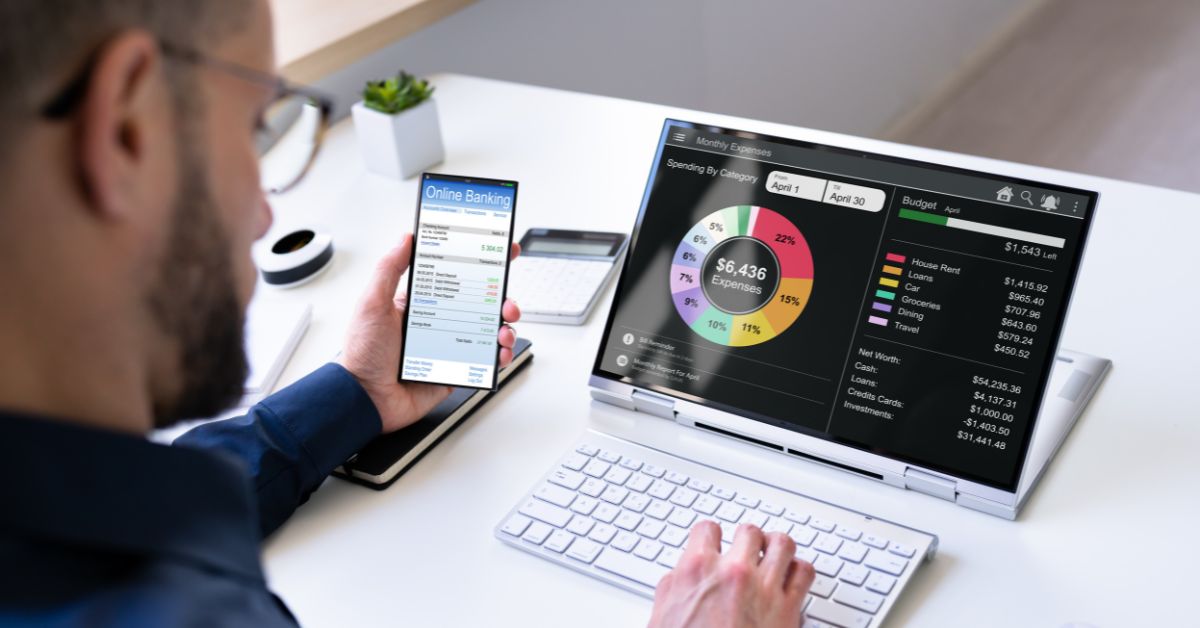
Best overall picks Great Mint replacements Best for couples and envelopes India-focused options How to choose quickly FAQs

The biggest score drags How long negatives last Most derogatory items remain for seven years; Chapter 7 bankruptcy can last ten years, while hard inquiries typically affect scores for up to two years with the impact fading sooner. Late-payment damage is front‑loaded—largest initially, then diminishing as new positive history accumulates over months and years. Fastest

Quick definitions Which is better? When to choose each A practical hybrid Start with a 60–90 day snowball to clear two or three smallest balances, then switch to avalanche to maximize savings—this can combine motivation with math without materially delaying payoff when APRs are spread out. Keep minimums on all debts, automate payments, and channel

What a credit report includes A credit report is a detailed file of credit accounts and activity compiled by bureaus such as Experian, Equifax, and TransUnion (India: CIBIL, Equifax, Experian, CRIF Highmark), used by lenders to evaluate risk and price loans. Although layouts differ by bureau, the core sections are consistent: personal information, credit accounts,

What happened at listing Shares opened at ₹81.5–₹82.5 versus the ₹128–₹135 band, a 39–40% cut to issue price on NSE/BSE, far below the grey market’s near-par expectations around ₹132, signaling a late slide in sentiment and order depth. Category demand was adequate but not euphoric—overall 3.86–3.88x with NIIs ~7.39x, QIBs ~3.97x, and retail ~2.75x—leaving little
LG Electronics India: Day 2 picture Tata Capital: Day 3 picture What this means near term Key dates at a glance FAQs

Investment view Brokerages broadly recommend “Subscribe,” citing leadership across home appliances and consumer electronics, a vast offline network, and consistent financial momentum; grey-market premium near 24–28% implies a constructive debut setup, though GMP is unofficial and volatile. The offer is a 100% OFS by the Korean parent, so no primary cash enters the India entity;

Overview and stance LG Electronics India is bringing a ₹11,607 crore issue structured as a 100% offer for sale at a price band of ₹1,080–₹1,140, implying roughly ₹77,000–₹77,400 crore market cap at the top end, and opening for bids October 7–9 with tentative listing on October 14. The debut sentiment is buoyed by a grey

Allotment status update The basis of allotment typically goes live on the registrar’s portal first; applicants should check Bigshare Services using PAN, Application Number, or DP Client ID, and expect possible “No records found” until final synchronization completes across systems. BSE and NSE IPO pages reflect the same data after backend updates, which may lag

Allotment status: what to expect The registrar is set to publish the basis of allotment today; applicants will be able to view status on KFin Tech by entering PAN, application number, or DP ID once records are updated across portals. Parallel status checks will also appear on BSE and NSE IPO pages; delays of a